

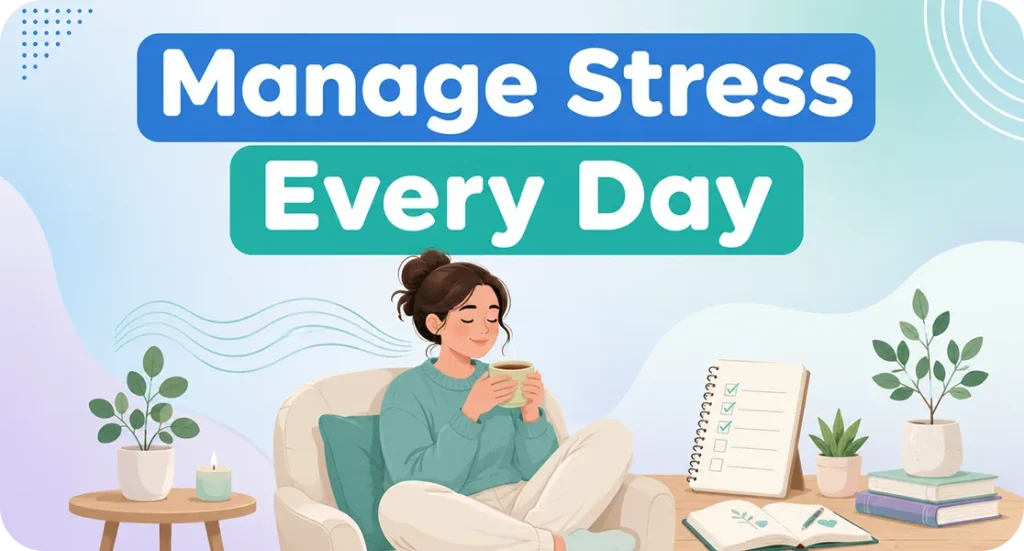
How to Manage Stress in Daily Life? Stress has become a common part of modern life. Whether it comes from work pressure, family responsibilities, financial concerns, studies, or relationship challenges, daily stress can affect both your mental and physical well-being. While some stress is normal, unmanaged stress can lead to anxiety, sleep problems, mood changes, and health issues.
The good news is that there are simple and effective ways to manage stress and improve your quality of life.
Need to Talk to Someone?
Book a private online session with a licensed therapist
What Is Daily Life Stress?
Daily life stress is the emotional and physical pressure you experience when dealing with everyday challenges. It may be caused by deadlines, household responsibilities, financial worries, parenting demands, relationship conflicts, or unexpected life events.
When stress continues for a long time, it can impact your mental health, relationships, productivity, and overall happiness.
Common Signs of Stress
You may be experiencing stress if you notice:
- Feeling overwhelmed or constantly worried
- Difficulty concentrating
- Irritability or frequent mood swings
- Trouble sleeping or feeling tired all the time
- Headaches, muscle tension, or body aches
- Changes in appetite
- Lack of motivation
- Feeling anxious or restless
Recognizing these signs early can help you take action before stress becomes more serious.
Effective Ways to Manage Daily Life Stress
1. Identify Your Stress Triggers
The first step in stress management is understanding what causes your stress. Keep a journal or make notes about situations that make you feel anxious, frustrated, or overwhelmed.
Once you identify your triggers, you can develop healthier ways to respond to them.
2. Practice Deep Breathing
Deep breathing exercises help calm the nervous system and reduce feelings of tension. Take slow, deep breaths for a few minutes whenever you feel stressed.
Even a short breathing exercise can help you feel more relaxed and focused.
3. Stay Physically Active
Regular exercise is one of the most effective ways to reduce stress. Activities such as walking, jogging, yoga, dancing, or cycling release endorphins, which help improve mood and reduce anxiety.
Aim for at least 30 minutes of physical activity most days of the week.
4. Prioritize Quality Sleep
Lack of sleep can make stress feel even worse. Create a healthy sleep routine by:
- Going to bed at the same time each night
- Limiting screen time before sleep
- Avoiding caffeine late in the day
- Keeping your bedroom quiet and comfortable
Good sleep helps your mind and body recover from daily pressures.
5. Manage Your Time Effectively
Poor time management can increase stress levels. Try:
- Creating daily to-do lists
- Setting realistic goals
- Prioritizing important tasks
- Taking short breaks during work
Breaking large tasks into smaller steps can make them feel more manageable.
6. Stay Connected with Others
Talking to trusted friends, family members, or a mental health professional can provide emotional support and reduce feelings of isolation.
You don’t have to handle stress alone. Sharing your thoughts and feelings often brings relief and new perspectives.
7. Practice Mindfulness and Meditation
Mindfulness helps you focus on the present moment rather than worrying about the future or dwelling on the past.
Simple practices such as meditation, gratitude journaling, or mindful walking can improve emotional well-being and reduce stress.
8. Make Time for Activities You Enjoy
Engaging in hobbies and enjoyable activities can help you recharge mentally and emotionally. Reading, listening to music, gardening, drawing, or spending time in nature are excellent ways to relax and reduce stress.
A Psychologist's Perspective on Daily Stress
Stress is not always caused by major life events. In many cases, it builds up gradually through everyday responsibilities, work pressure, family expectations, relationship challenges, and constant mental overload. When stress remains unmanaged for a long time, it can affect your mood, sleep, physical health, and overall quality of life.
One of the most important things to remember is that stress is a signal, not a weakness. Your mind and body may be telling you that something needs attention, rest, or a different approach. Learning healthy coping strategies such as setting boundaries, practicing self-care, maintaining supportive relationships, and seeking professional guidance can make a significant difference.
If you find yourself feeling overwhelmed, emotionally exhausted, or unable to cope with daily demands, speaking with a psychologist can help you understand the root causes of your stress and develop practical tools to manage it effectively. Early support often prevents stress from developing into more serious mental health concerns such as anxiety, burnout, or depression
When to Seek Professional Help
If stress is affecting your work, relationships, sleep, or daily functioning, it may be time to seek professional support.
Consider talking to a counsellor or psychologist if you experience:
- Persistent anxiety
- Frequent panic attacks
- Constant sadness or hopelessness
- Difficulty coping with daily responsibilities
- Stress that doesn’t improve despite self-care efforts
Professional counselling can help you understand your stress patterns and develop effective coping strategies.
Oppam offers online therapy in Tamil Nadu in Tamil and English, Malayalam — therapists who understand the specific pressures of Tamil family life, career stress, and Gulf diaspora experience. No referral required, accessible from home, private. Book your first session →
Frequently Asked Questions
1. What is daily life stress?
Daily life stress refers to the emotional and physical pressure caused by everyday responsibilities such as work, family commitments, financial concerns, studies, or relationship challenges. While some stress is normal, excessive stress can negatively impact mental and physical health.
2. What are the common symptoms of stress?
Common symptoms of stress include constant worry, irritability, difficulty concentrating, sleep problems, fatigue, headaches, muscle tension, changes in appetite, and feeling overwhelmed by daily tasks.
3. How can I manage stress naturally?
You can manage stress naturally by exercising regularly, practicing deep breathing, getting enough sleep, eating a balanced diet, spending time with loved ones, practicing mindfulness, and engaging in activities you enjoy.
4. Can stress affect physical health?
Yes. Long-term stress can contribute to headaches, digestive issues, high blood pressure, weakened immunity, muscle pain, and increased risk of anxiety and depression.
5. How does exercise help reduce stress?
Physical activity releases endorphins, often called “feel-good hormones,” which improve mood and help reduce stress, anxiety, and tension.
6. When should I seek professional help for stress?
You should consider professional support if stress is affecting your work, relationships, sleep, physical health, or daily functioning, or if you feel unable to cope despite trying self-help strategies.
7. Can online counselling help with stress management?
Yes. Online counselling provides a convenient and confidential way to speak with a psychologist who can help you identify stress triggers, develop coping strategies, and improve emotional well-being.
8. What is the difference between stress and anxiety?
Stress is usually a response to a specific challenge or situation, while anxiety often involves persistent worry or fear that may continue even when there is no immediate stressor.
Get Professional Support with Oppam Counselling: Managing stress on your own can be challenging, especially when it starts affecting your sleep, relationships, work, or emotional well-being. At Oppam, qualified psychologists provide confidential online counselling to help you understand the root causes of stress and develop healthier coping strategies. Whether you’re dealing with work stress, anxiety, burnout, relationship concerns, or life transitions, our therapists offer personalized support in Malayalam, Tamil, and English. With flexible online sessions and experienced mental health professionals, you can access support from anywhere and take the first step toward a calmer, healthier life.
External Resources
- Cell Reports Medicine (Yackle, Bhatt et al., Stanford University) — Physiological sigh produces fastest reduction in stress and anxiety compared to other breathing techniques
- JAMA Psychiatry — Exercise produces significant reductions in anxiety and stress; effects comparable to medication for mild to moderate presentations
- PLOS Medicine (Holt-Lunstad et al.) — Social isolation health risks comparable to smoking 15 cigarettes per day; social connection as stress buffer
- World Health Organisation — Stress-related conditions as leading causes of disability globally; mental health burden data
- NIMHANS — Stress and anxiety disorder prevalence in Indian working adults; Tamil Nadu academic and professional pressure contexts
Struggling?
Talk to an Oppam Therapist
Get the Support You Deserve Online & Confidential