According to the World Health Organization, Mental health is a state of mental well-being that enables people to cope with the stresses of life, realize their abilities, learn well, and work well, and contribute to their community.
Mental health is more than the absence of mental disorders. It exists on a complex continuum, which is experienced differently from one person to the next, with varying degrees of difficulty and distress and potentially very different social and clinical outcomes.
Have you seen the movie “Dear Zindagi?” The movie’s storyline revolves around a girl’s mental state as she struggles to balance her professional and personal life. Due to difficulties in her relationships and traumatic experiences from her family, she reaches a point where her mental state disrupts her daily life.
The main character, Kiara, is exhausted from insomnia and emotional turmoil when she happens to listen to a talk by psychiatrist Jag. With Jag’s help, Kiara undergoes therapy sessions and transforms her life, finding happiness and learning to view life healthily.
This movie effectively conveys the importance of mental health. In a society that still stigmatizes mental illnesses, movies like Dear Zindagi send a powerful message.It’s essential to understand and treat mental illnesses properly, adopting a healthy approach towards them. Society needs to embrace a compassionate and informed perspective on mental health.
Need to Talk to Someone?
Book a private online session with a licensed therapist
According to WHO, A mental disorder is characterized by a clinically significant disturbance in an individual’s cognition, emotional regulation, or behaviour. It is usually associated with distress or impairment in important areas of functioning.
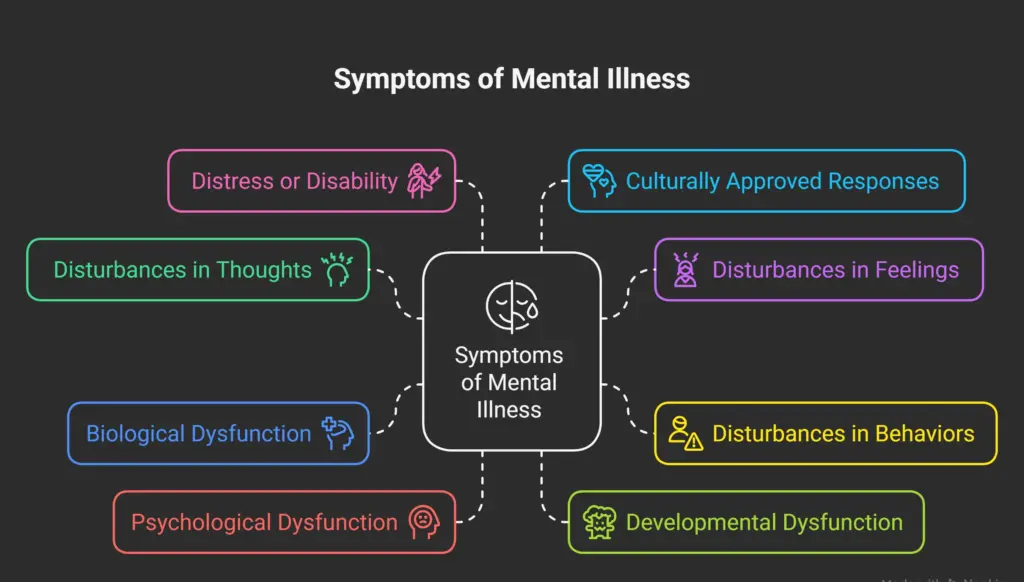
According to the APA (2013), a psychological disorder is a condition that is said to consist of the following:
-
- There are significant disturbances in thoughts, feelings, and behaviors.
- The disturbances reflect some kind of biological, psychological, or developmental dysfunction
- The disturbances lead to significant distress or disability in one’s life.
- The disturbances do not reflect expected or culturally approved responses to certain events
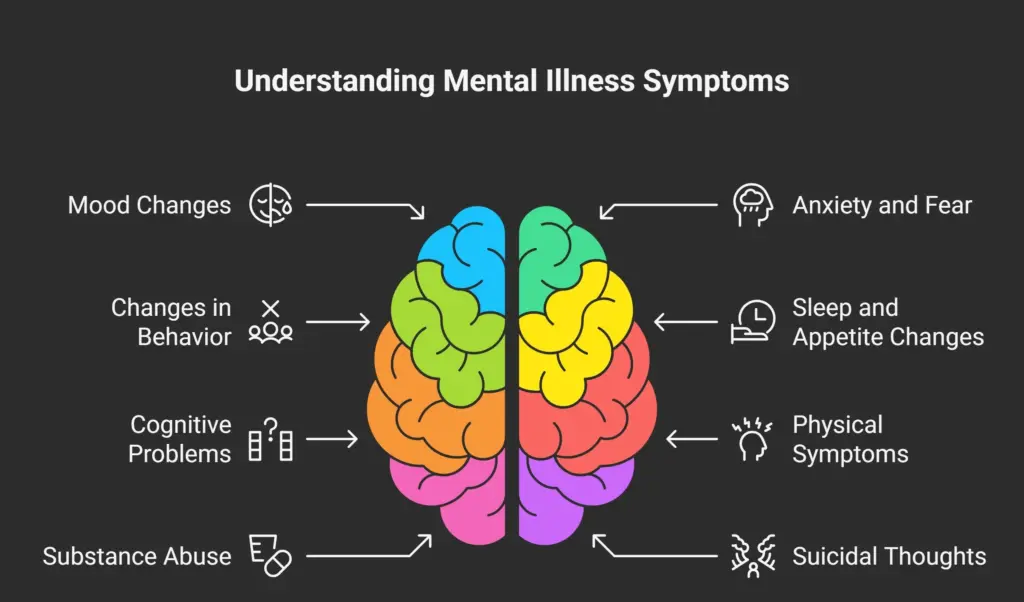
Common symptoms of mental illness:
Symptoms of mental illness can vary depending on the type of disorder, but here are some common signs to look out for:
- Mood Changes: Feeling excessively sad, low, or hopeless, or experiencing extreme mood swings
- Anxiety and Fear: Excessive worrying, fear, or anxiety that interferes with daily life
- Changes in Behavior: Withdrawal from friends and family, loss of interest in activities, or sudden changes in personality
- Sleep and Appetite Changes: Dramatic changes in sleep patterns or appetite, or decline in personal care
- Cognitive Problems: Difficulty concentrating, memory issues, or problems with logical thought and speech
- Physical Symptoms: Unexplained physical ailments, such as headaches or stomach problems
- Substance Abuse: Increased use of substances like alcohol or drugs
- Suicidal Thoughts: Thoughts about suicide or harming oneself or others
Mental health is an area that often doesn’t receive enough importance in society. There are many reasons for this. The stigma surrounding mental health today still stems from misconceptions people had about it in the past. However, the field of mental health has grown significantly in terms of treatment methods and patient care. Research is ongoing to understand the causes and remedies for various mental illnesses, and treatment is available for many conditions.
It’s essential to dispel misconceptions about mental health and approach it in a healthy way. Understanding mental illnesses accurately, recognizing that they can be resolved, and spreading awareness to others are crucial steps. Everyone needs to recognize that mental health is a right and seek necessary treatment to achieve it.
Read on to understand some of the most important mental illnesses…
1.Anxiety Disorders:
Mental health conditions characterized by excessive and persistent feelings of fear, worry, or anxiety that interfere with daily life. Common symptoms include restlessness, difficulty concentrating, sleep disturbances, and physical symptoms like rapid heartbeat.
Types of Anxiety Disorders:
-
-
-
- Generalized Anxiety Disorder (GAD): Excessive worry about everyday things.
- Panic Disorder: Recurring panic attacks with symptoms like rapid heartbeat and sweating.
- Social Anxiety Disorder: Fear of social situations and being judged by others.
- Specific Phobias: Irrational fear of specific objects or situations.
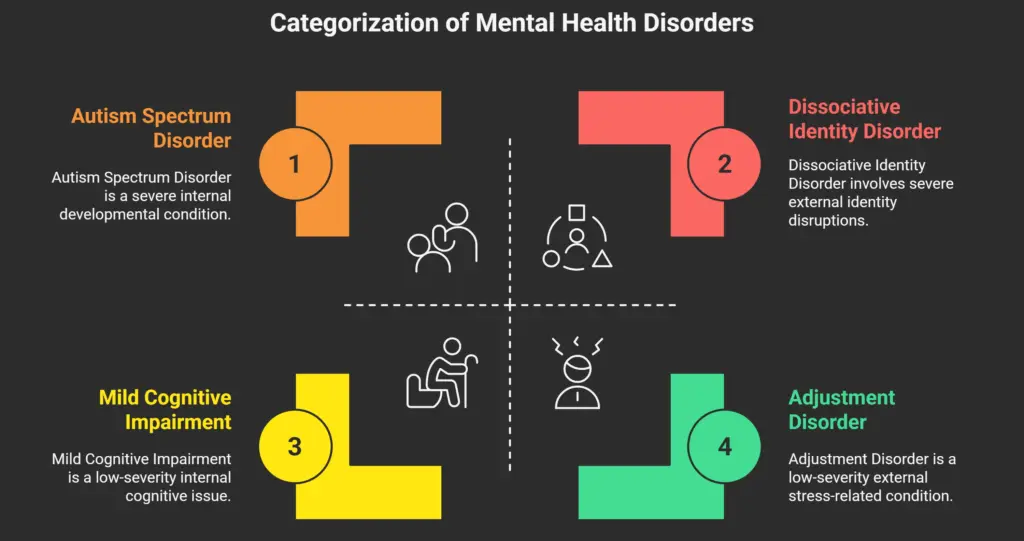
- Obsessive-Compulsive Disorder (OCD): Recurring, intrusive thoughts and compulsions to perform specific rituals.
- Treatments often involves therapy, medication, or a combination of both
-
-
Mental health conditions that affect emotional states, causing significant distress or impairment. Common symptoms include persistent feelings of sadness, hopelessness, or extreme mood swings.
Types of Mood Disorders:
- Major Depressive Disorder (MDD): Persistent feelings of sadness and loss of interest.
- Bipolar Disorder: Extreme mood swings between mania and depression.
- Persistent Depressive Disorder (PDD): Long-term, low-grade depression.
- Cyclothymic Disorder: Alternating periods of hypomania and mild depression.
3. Substance-Related Disorders:
- Substance Use Disorder (SUD): Patterns of symptoms resulting from substance use despite negative consequences.
- Substance Dependence: Addiction to substances, marked by tolerance, withdrawal, or compulsive use.
- Substance Abuse: A Maladaptive pattern of substance use leading to significant impairment or distress.
4. Schizophrenia:
A mental health disorder characterized by disruptions in thought processes, perceptions, and emotional responsiveness.
Common symptoms include:
- Hallucinations
- Delusions
- Disorganized thinking and speech
- Negative symptoms (e.g., apathy, social withdrawal)
Related Disorders:
- Schizoaffective Disorder: Combination of schizophrenia symptoms with mood disorder symptoms (depression or mania).
- Schizophreniform Disorder: Similar to schizophrenia, but symptoms last for a shorter duration.
- Brief Psychotic Disorder: Short-term psychotic symptoms, often in stress response.
A mental health condition characterized by recurring, intrusive thoughts (obsessions) and repetitive behaviors (compulsions) that an individual feels compelled to perform.
Related Disorders:
- Body Dysmorphic Disorder (BDD): Preoccupation with perceived flaws in physical appearance.
- Hoarding Disorder: Difficulty discarding or parting with possessions due to a strong perceived need to save them.
- Trichotillomania (Hair-Pulling Disorder): Recurring, irresistible urge to pull out one’s hair.
- Excoriation (Skin-Picking) Disorder: Recurring, irresistible urge to pick at one’s skin.
Mental health conditions are characterized by abnormal eating habits, emotions, and thoughts related to food and body image.
Types:
- Anorexia Nervosa: Restrictive eating, significant weight loss, and fear of gaining weight.
- Bulimia Nervosa: Binge eating followed by purging or compensatory behaviors.
- Binge Eating Disorder: Recurring episodes of excessive food consumption without purging.
- Avoidant/Restrictive Food Intake Disorder (ARFID): Limited food intake due to lack of interest or sensory issues.
- Other Specified Feeding or Eating Disorders (OSFED): Eating disorders that don’t fit into other categories.
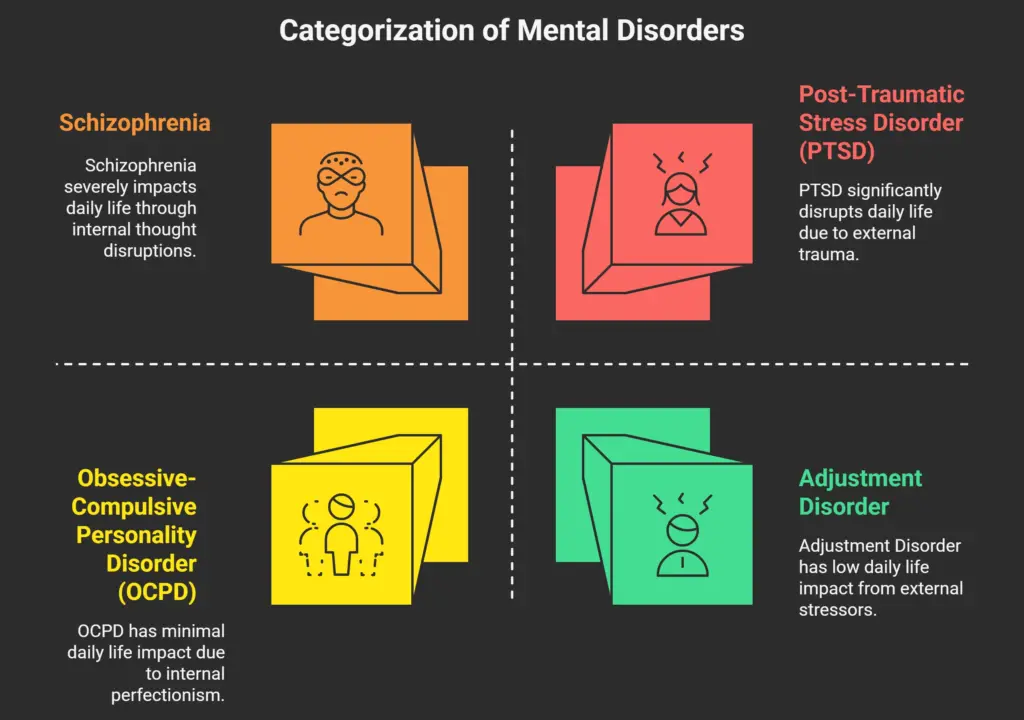
Mental health conditions are triggered or exacerbated by stress, often resulting in significant distress or impairment.
Types:
- Post-Traumatic Stress Disorder (PTSD): Develops after experiencing a traumatic event, with symptoms like flashbacks and avoidance.
- Acute Stress Disorder (ASD): Similar to PTSD, but symptoms last for a shorter duration (up to a month).
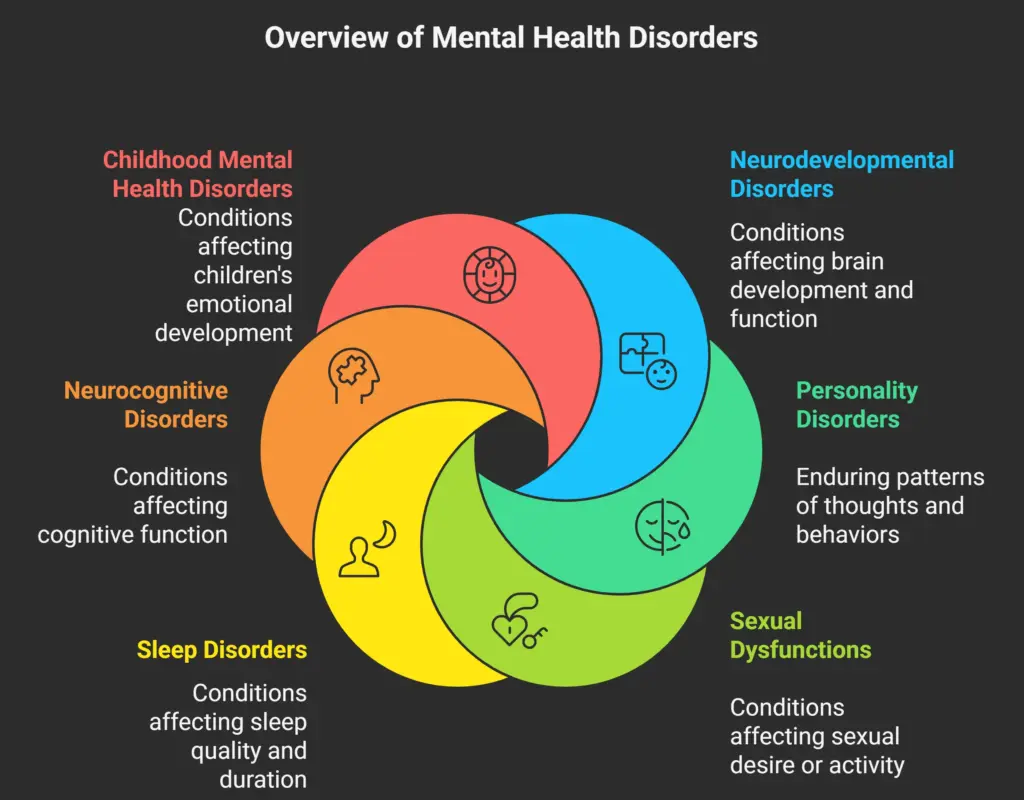
- Adjustment Disorder: Emotional or behavioral symptoms in response to a specific stressor.
Mental health conditions are characterized by disruptions in consciousness, memory, identity, or perception.
Types:
- Post-Traumatic Stress Disorder (PTSD): Develops after experiencing a traumatic event, with symptoms like flashbacks and avoidance.
- Acute Stress Disorder (ASD): Similar to PTSD, but symptoms last for a shorter duration (up to a month).
- Adjustment Disorder: Emotional or behavioral symptoms in response to a specific stressor.
9. Neurodevelopmental Disorders:
Conditions that affect brain development and function often emerge in childhood
Types:
- Autism Spectrum Disorder (ASD): Challenges with social skills, communication, and repetitive behaviors.
- Attention-Deficit/Hyperactivity Disorder (ADHD): Difficulty with attention, impulsivity, and hyperactivity.
- Intellectual Disability: Significant limitations in intellectual functioning and adaptive behavior.
- Specific Learning Disorder: Difficulty with specific academic skills, such as reading or math.
- Communication Disorders: Challenges with verbal or nonverbal communication, such as speech or language disorders.
10. Personality Disorders:
Mental health conditions are characterized by enduring patterns of thoughts, feelings, and behaviors that deviate from cultural norms and cause distress or impairment.
Types:
- Borderline Personality Disorder: Unstable relationships, emotional dysregulation, and impulsivity.
- Narcissistic Personality Disorder: Grandiosity, need for admiration, and lack of empathy.
- Antisocial Personality Disorder: Disregard for others’ rights, lack of empathy, and impulsivity.
- Avoidant Personality Disorder: Social avoidance due to fear of rejection or criticism.
- Obsessive-Compulsive Personality Disorder: Preoccupation with orderliness, perfectionism, and control.
11. Sexual Dysfunctions:
Conditions that affect a person’s ability to experience or respond to sexual desire or activity.
Types of Sexual Dysfunctions:
- Erectile Dysfunction: Difficulty achieving or maintaining an erection.
- Premature Ejaculation: Ejaculation that occurs sooner than desired.
- Female Sexual Interest/Arousal Disorder: Lack of interest in or difficulty becoming aroused during sex.
- Delayed Ejaculation: Significant delay in or inability to achieve ejaculation.
Paraphilic Disorders:
Conditions characterized by intense and persistent sexual interest in objects, situations, or individuals that are atypical or harmful.
Types of Paraphilic Disorders:
- Pedophilic Disorder: Sexual attraction to prepubescent children.
- Exhibitionistic Disorder: Recurring urges to expose one’s genitals to nonconsenting individuals.
- Voyeuristic Disorder: Recurring urges to observe nonconsenting individuals who are naked, in the process of undressing, or engaging in sexual activity.
12. Sleep Disorders:
Conditions that affect the quality, timing, or duration of sleep, leading to daytime distress or impairment.
Types:
- Insomnia Disorder: Difficulty falling or staying asleep.
- Sleep Apnea: Pauses in breathing during sleep, disrupting sleep quality.
- Narcolepsy: Excessive daytime sleepiness, often with sudden sleep attacks.
- Restless Legs Syndrome (RLS): Uncomfortable sensations in legs, often accompanied by urge to move.
- Circadian Rhythm Disorders: Disruptions to body’s natural sleep-wake cycle.
13. Neurocognitive Disorders:
Conditions that affect cognitive function, including memory, thinking, and reasoning.
Types:
- Alzheimer’s Disease: Progressive memory loss and cognitive decline.
- Vascular Dementia: Cognitive impairment due to reduced blood flow to the brain.
- Frontotemporal Dementia: Personality changes, language difficulties, and motor symptoms.
- Lewy Body Dementia: Cognitive decline, hallucinations, and motor symptoms.
- Mild Cognitive Impairment (MCI): Noticeable cognitive decline, but daily life isn’t significantly impacted.
Conditions that affect children’s emotional, behavioral, or cognitive development.
Types:
- Attention-Deficit/Hyperactivity Disorder (ADHD): Difficulty with attention, impulsivity, and hyperactivity.
- Autism Spectrum Disorder (ASD): Challenges with social skills, communication, and repetitive behaviors.
- Anxiety Disorders: Excessive fear, worry, or anxiety that interferes with daily life.
- Depressive Disorders: Persistent feelings of sadness, hopelessness, or loss of interest.
- Disruptive Behavior Disorders: Persistent patterns of aggressive or defiant behavior.
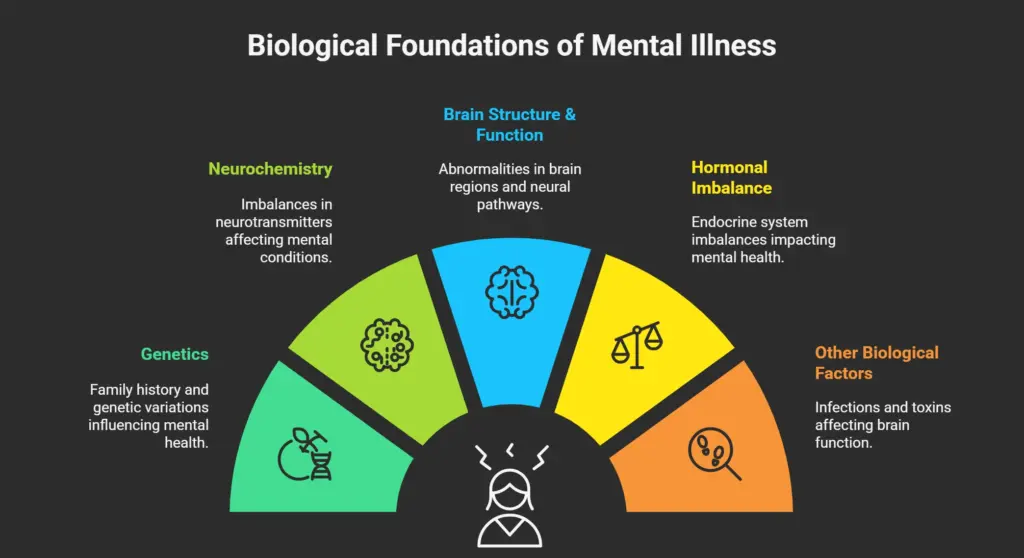
Biological Causes of Mental Illness:
Biological factors play a significant role in the development of mental health conditions. These factors can include:
1. Genetics:
- Family History: Individuals with a family history of mental illness may be more likely to develop a condition.
- Genetic Predisposition: Specific genetic variations can increase the risk of developing certain mental health condition
2. Neurochemistry:
- Neurotransmitter Imbalance: Imbalances in neurotransmitters like serotonin, dopamine, and norepinephrine can contribute to conditions such as depression, anxiety, and schizophrenia.
- Neurotransmitter Regulation: Abnormalities in neurotransmitter regulation can also play a role.
3. Brain Structure and Function:
- Abnormal Brain Regions: Differences in brain regions, such as the amygdala or prefrontal cortex, can be associated with certain mental health conditions.
- Neuroplasticity: Changes in neural connections and pathways can contribute to mental health conditions.
4. Hormonal Imbalance:
- Endocrine System: Imbalances in hormones, such as cortisol or thyroid hormones, can impact mental health.
5. Other Biological Factors:
- Infections: Certain infections, such as Lyme disease, can contribute to mental health symptoms.
- Toxins: Exposure to toxins, such as lead or mercury, can impact brain development and function.
Psychological factors play a significant role in the development and maintenance of mental health conditions. These factors can include:
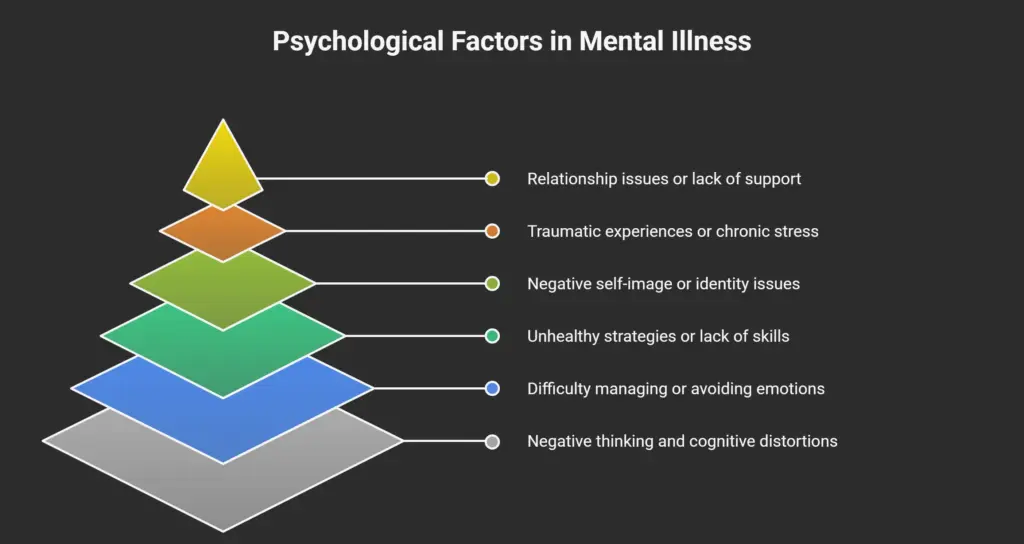
1. Thought Patterns:
- Negative Thinking: Patterns of negative self-talk, catastrophizing, or rumination can contribute to conditions like depression and anxiety.
- Cognitive Distortions: Biased or unhelpful thinking styles, such as all-or-nothing thinking or overgeneralization.
2. Emotional Regulation:
- Emotional Dysregulation: Difficulty managing emotions, leading to intense or overwhelming feelings.
- Emotional Avoidance: Avoiding emotions or situations that trigger emotional responses.
3. Coping Mechanisms:
- Maladaptive Coping: Unhealthy coping strategies, such as substance abuse or avoidance, can exacerbate mental health conditions.
- Lack of Coping Skills: Insufficient coping skills or strategies to manage stress or adversity.
4. Self-Concept and Identity:
- Low Self-Esteem: Negative self-image or low self-worth can contribute to conditions like depression.
- Identity Issues: Confusion or uncertainty about one’s identity, roles, or values.
5. Trauma and Adversity:
- Traumatic Experiences: Experiencing trauma, such as abuse or neglect, can increase the risk of developing mental health conditions.
- Adversity: Chronic stress, poverty, or other adverse circumstances can also contribute.
6. Interpersonal Factors:
- Relationship Issues: Difficulties in relationships, such as conflict or attachment issues, can impact mental health.
- Social Support: Lack of social support or feelings of loneliness can exacerbate mental health conditions.
Substance use disorders occur when repeated use of substances (like drugs or alcohol) leads to significant impairment or distress. Addiction is a chronic condition characterized by compulsive seeking and use of substances despite negative consequences.
Common features include:
- Loss of control over use
- Tolerance and withdrawal symptoms
- Neglect of responsibilities
- Continued use despite harm
Treatment often involves therapy, support groups, and sometimes medication.
Unfortunately, mental illness and its symptoms are not taken seriously enough by society even today. Many people try to attribute mental health issues to supernatural forces, curses, or other superstitions. Instead of seeking scientific treatment, some individuals exploit vulnerable people by performing rituals and other practices that can worsen their mental health.
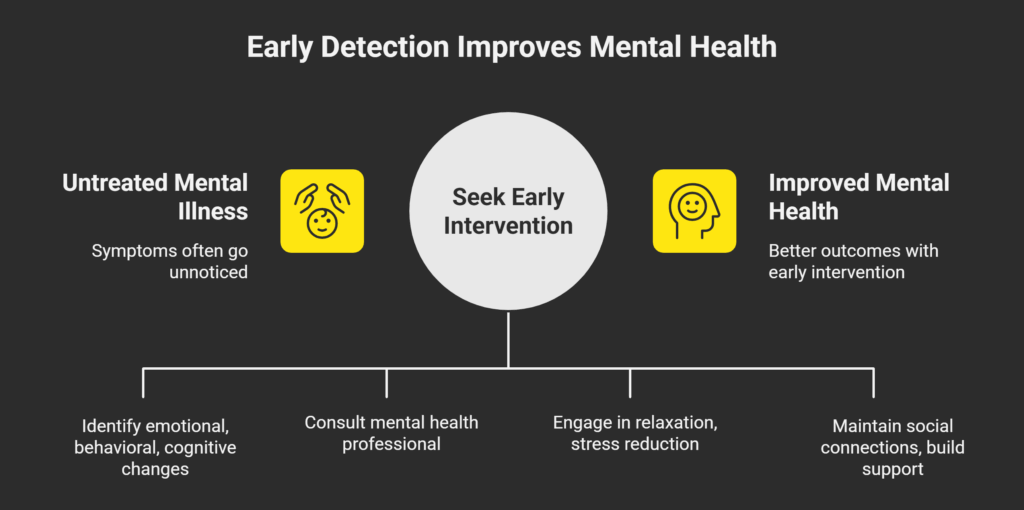
Mental health is a delicate field that requires careful handling, but it’s often neglected. Mental illnesses often exhibit symptoms early on, affecting a person’s daily life and relationships. Changes in daily routines, emotional shifts, anxious and depressed behavior, and alterations in interactions with others can all be indicative of mental health issues.
It’s essential to recognize these signs and seek scientific treatment. While it’s normal to experience some anxiety and stress in life, persistent and debilitating symptoms can be a sign of a mental health issue. In some cases, these issues can arise from genetic factors or be triggered by life events. By understanding and addressing mental health issues in a compassionate and scientific manner, we can work towards creating a more supportive and inclusive environment for those affected.
In India, the overall prevalence of common mental disorders (CMDs), encompassing depressive and anxiety disorders, was 5.1% in the 2016 National Mental Health Survey, with a treatment gap of 80.4%.
Early Signs of Mental Illness:
Mental health issues can manifest in various ways, and early detection is crucial for effective treatment and support. Here are some early signs of mental illness that you shouldn’t ignore:
Emotional Changes:
- Persistent sadness or hopelessness: Feeling down, empty, or hopeless for an extended period.
- Increased anxiety or worry: Excessive fear, anxiety, or worry that interferes with daily life.
- Mood swings: Rapid or intense mood changes, such as irritability or anger.
- Loss of interest in activities: Avoiding activities that were once enjoyable.
Behavioral Changes:
- Changes in sleep patterns: Insomnia, oversleeping, or difficulty falling/staying asleep.
- Changes in appetite: Significant changes in eating habits or weight.
- Social withdrawal: Avoiding social interactions or relationships.
- Increased risk-taking behavior: Engaging in impulsive or reckless behavior.
Cognitive Changes:
- Major Life Changes: Significant life events, such as divorce, loss of a loved one, or job changes, can trigger mental health conditions.
- Chronic Uncertainty: Ongoing uncertainty or unpredictability, such as job insecurity or housing instability.
Physical Symptoms:
- Fatigue or low energy: Persistent tiredness or lack of motivation.
- Headaches or body aches: Frequent or severe physical pain without a clear cause.
- Digestive problems: Stomach issues, such as irritable bowel syndrome (IBS).
Other Signs:
- Increased substance use: Using substances as a coping mechanism.
- Self-harm or suicidal thoughts: Engaging in self-destructive behavior or having thoughts of harming oneself.
- Paranoia or hallucinations: Experiencing distorted reality or hearing/seeing things that aren’t there.
What to Do:
- Seek professional help: Consult a mental health professional for an evaluation and support.
- Practice self-care: Engage in activities that promote relaxation and stress reduction.
- Stay connected: Maintain social connections and build a support network.
Feeling Overwhelmed?
You’re Not Alone. Get Support from an
Oppam Therapist Wherever You Are
Oppam Therapist Wherever You Are
While stress, anxiety, and panic attacks share similar symptoms, each has distinct effects and varying levels of severity. It’s essential to understand these differences.Many people experience stress and anxiety, and while some can cope, others may struggle. Mild stress and anxiety are normal, but when they exceed a certain threshold, they can negatively impact daily life and relationships.If you’re experiencing symptoms that interfere with your life, relationships, and overall well-being, seeking professional help is advisable.
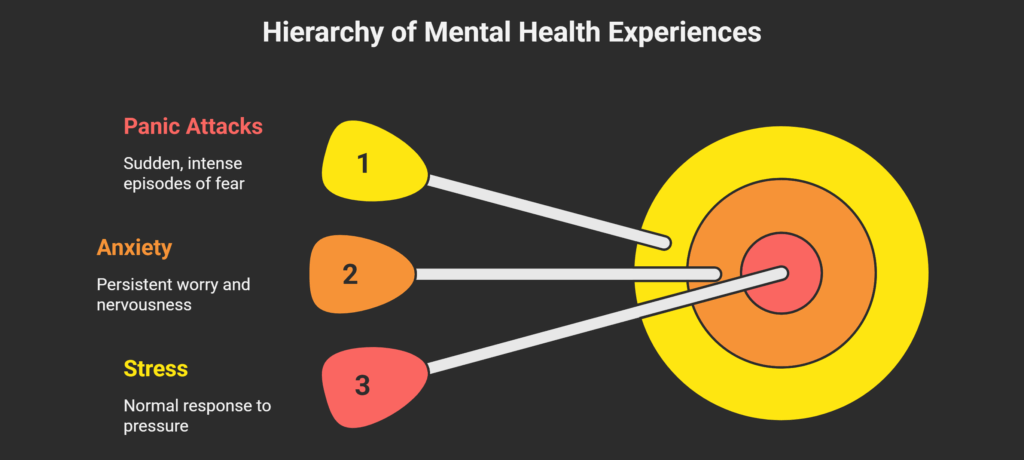
There’s also a lot of misconceptions surrounding panic attacks. Do you often confuse stress, anxiety, and panic attacks?
Stress, anxiety, and panic attacks are interconnected yet distinct experiences that can significantly impact daily life. Understanding their differences is crucial for effective management and treatment
Read on to learn more about these conditions and their differences…
Stress:
- A normal response to a perceived threat or pressure
- Can be acute (short-term) or chronic (long-term)
- Often triggered by external factors (e.g., work, relationships, finances)Can manifest physically (e.g., tension, fatigue) and emotionally (e.g., irritability, mood swings)
Anxiety:
- A feeling of worry, nervousness, or fear that’s persistent and overwhelming.
- Can be a normal response to stress or a symptom of an anxiety disorder
- Excessive worry or fear
- Restlessness, agitation, or irritability
- Difficulty concentrating or sleeping
- Physical symptoms like rapid heartbeat, sweating, or trembling
Panic Attacks:
- Sudden, intense episodes of fear or discomfort
- Often accompanied by physical symptoms like:
- Rapid heartbeat or palpitations
- Sweating, trembling, or shaking
- Shortness of breath or choking sensation
- Nausea or abdominal discomfort
- Can be triggered by specific situations or occur unexpectedly
- May lead to avoidance behaviors or fear of future attacks
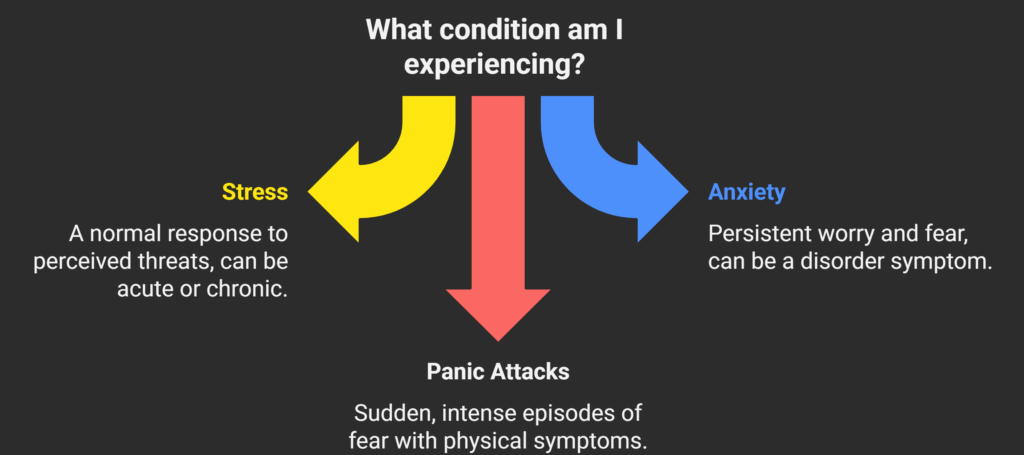
Key Differences:
- Duration: Stress can be acute or chronic, anxiety can be persistent, and panic attacks are typically short-lived (15-30 minutes).
- Intensity: Panic attacks are extremely intense, anxiety can be debilitating, and stress can range from mild to severe.
- Triggers: Stress often has external triggers, anxiety can be triggered by internal or external factors, and panic attacks may have specific or unknown triggers.
- Symptoms: While there’s some overlap, each condition has distinct physical and emotional symptoms.
Recent reports suggest that mental health issues among children are on the rise. However, is this entirely accurate? There are various reasons contributing to mental health problems in children, and it’s essential to understand these factors.
While it’s true that more children are experiencing mental health issues today than in the past, the lack of concrete data makes it challenging to assess the situation accurately. As we develop better ways to recognize and address these issues, more cases are likely to come to light.
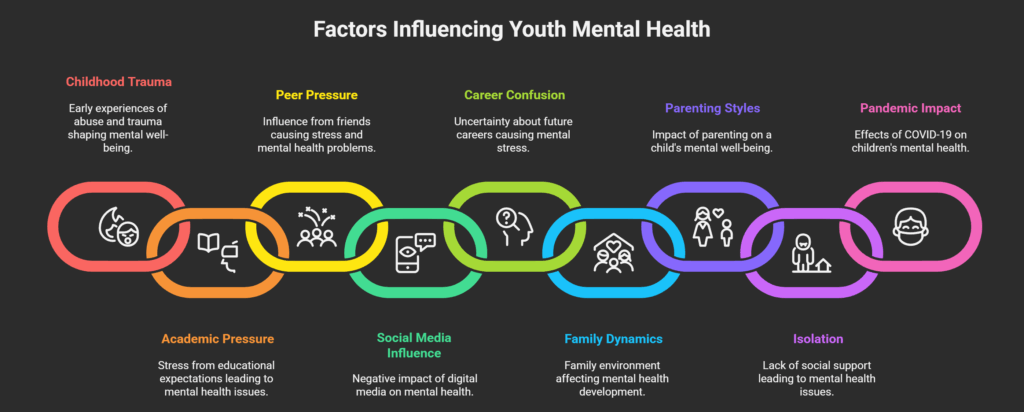
Causes of Mental Health Issues in Children:
-
-
-
- Family and parenting style
- Social environment
- Peer pressure
- School environment and academic stress
- Impact of social media
-
-
Rather than blaming the child, it’s essential to understand the underlying causes of their behavior and work towards creating a supportive environment. A democratic family atmosphere can foster holistic development and promote mental well-being in children.
The recent Netflix series “Adolescence” highlights the importance of mental health in children and the various factors that contribute to it. The series emphasizes how a child’s behavior and attitudes are shaped by their family, surroundings, school, friends, and social media.Parenting and environment play a significant role in shaping a child’s behavior, attitudes, and mental health. The series also highlights the various pressures children face in today’s social media age, making it essential to prioritize their mental well-being.
Feeling Overwhelmed?
You’re Not Alone. Get Support from an
Oppam Therapist Wherever You Are
Oppam Therapist Wherever You Are
By recognizing the importance of mental health in children and working towards creating a supportive environment, we can help them develop into happy and healthy individuals.
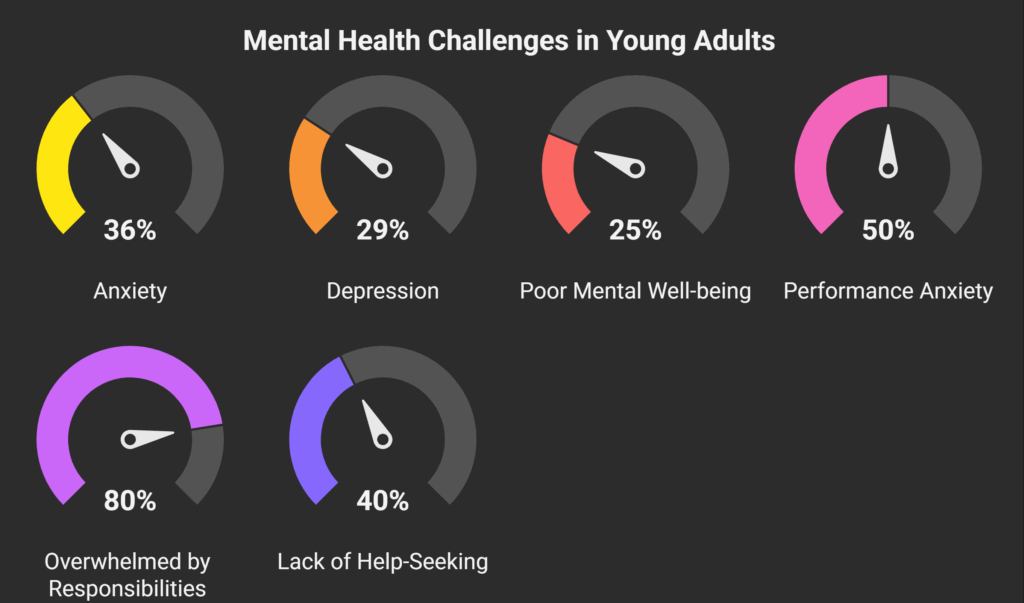
The report, On Edge: Understanding and Preventing Young Adults’ Mental Health Challenges, is based on a nationally representative survey of young adults (ages 18–25), teens, and parents conducted in December 2022. Thirty-six percent (36%) of young adults who responded to the survey reported anxiety compared to 18% of teens; 29% of young adults reported depression compared to 15% of teens.
According to a NAMI survey on “mental health in young adults,”
-
-
- One out of every four college-going students may experience poor mental well-being.
- 50% of these students experienced performance anxiety, which made it difficult to learn.
- 80% of the subjects felt overwhelmed by the responsibilities of student life.
- 40% of students struggling with mental health issues didn’t seek help, probably because they weren’t aware of it or were embarrassed to talk about it.
-
Childhood abuse and trauma are significant contributors to mental health issues in children. Traumatic experiences during childhood can shape a person’s behavior, personality, and overall well-being. Any form of abuse or neglect can lead to long-lasting trauma, affecting a child’s mental health and development.
2. Academic Pressure
Academic pressure is a significant stressor for children in today’s world. The pressure to perform well academically, fueled by family and societal expectations, can profoundly impact a child’s mental health. This stress can lead to anxiety disorders, depression, and even suicidal tendencies. The increasing number of children succumbing to academic pressure and resorting to suicidal measures is a concerning trend.
3. Peer Pressure
During adolescence, children often prioritize their relationships with friends over family members. As a result, conflicts and bullying among friends can significantly impact a child’s mental well-being. Bullying, ragging, and hurtful jokes can all contribute to mental health issues in children.
4. Influence of Social Media
In today’s digital age, children are heavily influenced by social media. With technology advancing rapidly, it’s challenging to avoid social media altogether. However, excessive phone and social media use can lead to addiction and negatively impact mental health. The ideas and concepts children are exposed to on social media can shape their personality and worldview, often in unhealthy ways. Social media’s influence on children’s mental health is a growing concern.
5. Career-related Confusions/Pressures
Young adulthood is a time when children start thinking about their careers and future. The pressure from society and family can cause significant mental stress for children. When children are already confused about their career path, additional pressure from others can exacerbate mental health issues.
6. Influence of Family
Family plays a significant role in shaping a child’s personality and development. Theorists like Jean Piaget and Sigmund Freud emphasize the importance of childhood experiences. A child’s mental health can be significantly impacted by their family environment
Factors like unmet basic needs, unhealthy parenting, parental conflict, and substance abuse can negatively affect a child’s development.
A democratic family environment, where children feel free to express themselves, is essential for promoting mental health.
In contrast, authoritarian family environments can lead to mental health issues in children, which may become more apparent as they grow older.
7. Parenting
Parenting plays a significant role in shaping a child’s personality. According to Albert Bandura’s observational learning theory, children learn by observing their surroundings
When children can observe and imitate their parents as role models, it can lead to healthy development. Parents should strive to be positive role models.
Additionally, Diana Baumrind’s parenting styles highlight the importance of parenting in shaping a child’s personality. Neglectful parenting, in particular, can lead to significant mental health issues in children. Therefore, parents have a substantial impact on their child’s mental health.
8. Isolation and Lack of Social Support
When children feel isolated, negative thoughts can creep in, leading to various mental health issues. Children may become self-critical and develop unhealthy tendencies. Instead of punishing or isolating children who make mistakes, it’s essential to understand and guide them. Lack of social support can also contribute to mental health issues in children.
Feeling Overwhelmed?
You’re Not Alone. Get Support from an
Oppam Therapist Wherever You Are
Oppam Therapist Wherever You Are
9. Impact of COVID-19 Pandemic
Studies have shown that the COVID-19 pandemic has led to changes in children’s behavior. Teachers have reported increased lethargy, lack of focus, and memory issues in children. Parents have also observed increased stubbornness and lack of focus in their children post-pandemic. The pandemic has created a new normal, and it’s essential to find ways to cope with the negative effects. Excessive screen time, lack of physical activity, and social isolation have contributed to various mental health issues in children, including addiction.
Mental health issues in children can only be understood through a multifaceted approach. A collective effort is necessary to address these issues. Providing a healthy environment during childhood is crucial. Additionally, giving children time for stress-free activities that bring them happiness is essential. This can only be achieved through a collaborative approach.
Unfortunately, the mental health field often faces misconceptions. When children exhibit problems, many people resort to scolding or advising them at home instead of consulting a mental health professional. Instead, when children show behavioral changes, consulting a psychologist or mental health expert can lead to significant improvements. Early intervention can promise a healthier future for children.
Can Overthinking Be a Mental Disorder?
Many people have asked if overthinking, which I do excessively, is a disease. In my opinion, overthinking can be a symptom of various mental health conditions, but it’s not necessarily a standalone mental disorder itself.
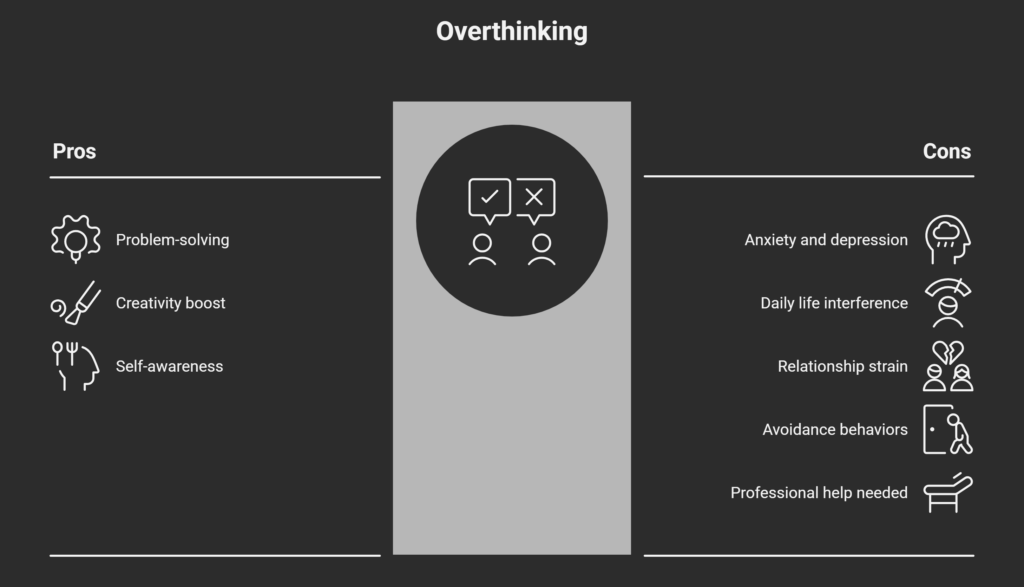
In some situations, overthinking can be a normal response to certain circumstances. However, if it persists for an extended period, it’s advisable to consult a mental health professional. Overthinking can be a symptom of various mental health conditions, but it may not always be the kind you expect.
If you feel that overthinking is affecting your life, daily routine, work, relationships, and overall well-being, seeking psychological help can be beneficial. A mental health professional can help you identify the underlying issues and develop strategies to manage overthinking.
By acknowledging the potential impact of overthinking, you can take the first step towards seeking help and improving your mental well-being.
Do you think overthinking is a mental illness?
Do you think you’ll become a mental patient due to overthinking?
Need to Talk to Someone?
Book a private online session with a licensed therapist
Overthinking can be a symptom of various mental health conditions, but it’s not a standalone mental disorder in the Diagnostic and Statistical Manual of Mental Disorders (DSM-5). However, excessive and persistent overthinking can contribute to or exacerbate underlying mental health issues.
Let’s dive deeper…
What is overthinking?
Overthinking involves excessively analyzing, evaluating, or replaying thoughts, often leading to rumination, worry, or anxiety. It can manifest in different ways, such as:
-
-
- Ruminating on past experiences or conversations
- Excessive worry about future events or outcomes
- Overanalyzing situations or relationships
- Difficulty letting go of thoughts or emotions
-
When can overthinking be a concern?
Overthinking becomes a concern when it:
- Interferes with daily life, relationships, or work/school performance
- Causes significant distress, anxiety, or depression
- Leads to avoidance behaviors or social withdrawal
- Persists despite efforts to manage or control thoughts
Mental health conditions associated with overthinking:
- Anxiety disorders: Generalized Anxiety Disorder (GAD), Social Anxiety Disorder, and Obsessive-Compulsive Disorder (OCD) often involve excessive worry, rumination, or overthinking.
- Depressive disorders: Rumination and negative thinking patterns are common in depression.
- Post-Traumatic Stress Disorder (PTSD): Overthinking and rumination can be symptoms of PTSD.
- Personality disorders: Certain personality disorders, such as Borderline Personality Disorder, may involve intense emotional dysregulation and overthinking.
Why is overthinking problematic?
Chronic overthinking can lead to:
-
-
- Increased stress and anxiety
- Decreased problem-solving ability
- Impaired relationships and communication
- Reduced self-esteem and confidence
- Sleep disturbances and fatigue
-
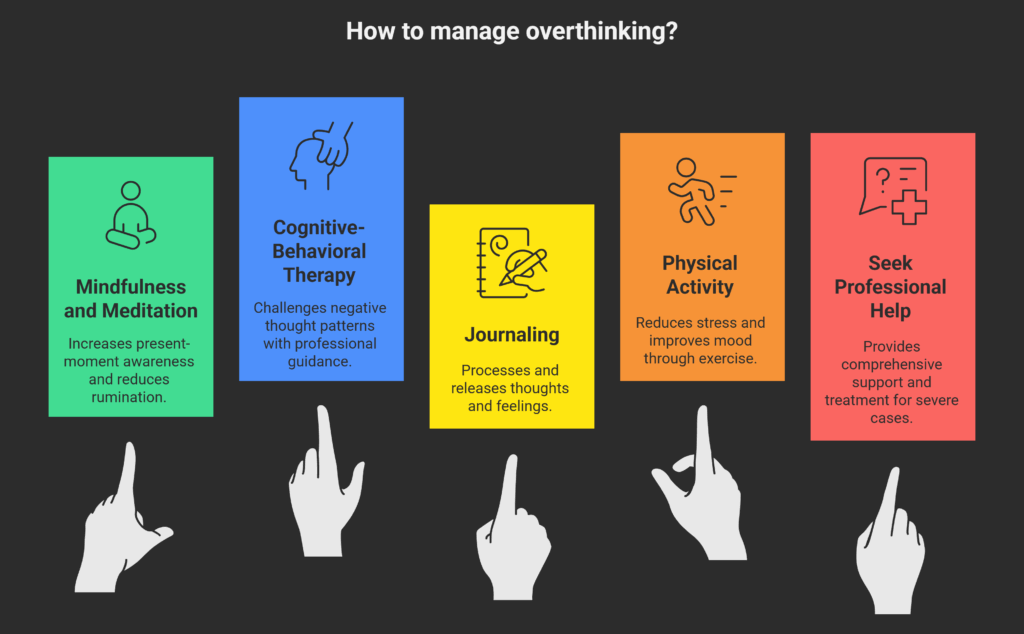
What can you do about overthinking?
If you’re struggling with overthinking, consider:
- Mindfulness and meditation: Practice mindfulness techniques to increase present-moment awareness and reduce rumination.
- Cognitive-behavioral therapy (CBT): Work with a therapist to identify and challenge negative thought patterns.
- Journaling: Write down thoughts and feelings to process and release them.
- Physical activity: Engage in regular exercise to reduce stress and improve mood.
- Seek professional help: Consult a mental health professional if overthinking is impacting your daily life.
How Sleep and Mental Health Are Connected
Sleep and mental health are closely linked. Numerous studies have shown that sleep plays a crucial role in maintaining mental health. Sleep disturbances are often considered a symptom of various mental health issues. During sleep, brain activity undergoes significant changes, and different sleep stages have distinct effects on brain function. These stages, collectively known as the sleep cycle, are essential for brain health, thinking, learning, and memory.
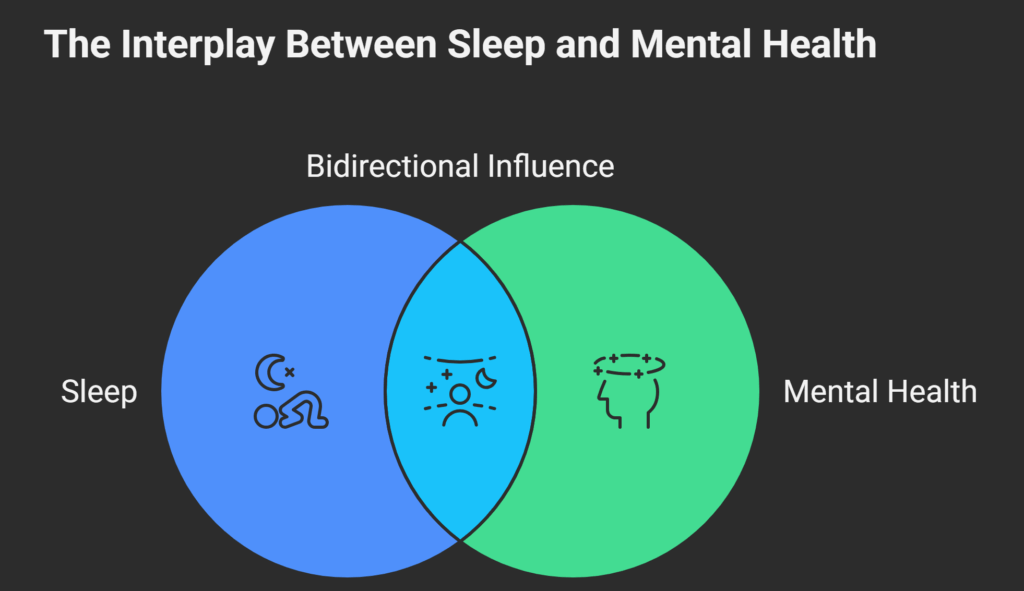
Research suggests that brain activity during sleep also contributes to emotional and mental well-being. Adequate sleep, particularly REM sleep, is vital for proper brain function.
It is estimated that over 300 million people worldwide, published continuously since 1883, making it an international peer-reviewed general medical journal. A type of mood disorder marked by feelings of sadness or hopelessness. Around 75% of depressed people show symptoms of insomnia.
Sleep and mental health are intricately connected. Here’s a detailed explanation:
The Bidirectional Relationship:
- Sleep affects mental health: Poor sleep quality, duration, or timing can contribute to the development or exacerbation of mental health issues, such as anxiety, depression, or mood disorders.
- Mental health affects sleep: Mental health conditions, like anxiety or depression, can disrupt sleep patterns, leading to insomnia, daytime fatigue, or other sleep-related problems.
Key Mechanisms:
- Neurotransmitters and hormones: Sleep influences the regulation of neurotransmitters (e.g., serotonin, dopamine) and hormones (e.g., cortisol, melatonin) that play a crucial role in mood regulation and emotional well-being.
- Stress response: Sleep helps regulate the body’s stress response, including the hypothalamic-pituitary-adrenal (HPA) axis. Chronic sleep deprivation can lead to increased stress and anxiety.
- Emotional processing: Sleep, particularly REM sleep, is essential for processing and consolidating emotional experiences, which can impact mental health.
- Cognitive function: Sleep affects cognitive functions like attention, memory, and decision-making, which can be impaired in mental health conditions.
Sleep Disturbances in Mental Health Conditions:
- Anxiety disorders: Insomnia, nightmares, or restless sleep are common in anxiety disorders, such as generalized anxiety disorder or post-traumatic stress disorder (PTSD).
- Depressive disorders: Sleep disturbances, including insomnia or hypersomnia, are often comorbid with depression.
- Bipolar disorder: Sleep disturbances can trigger or exacerbate manic or depressive episodes.
- Schizophrenia: Sleep disturbances are common in schizophrenia and can impact treatment outcomes.
Consequences of Poor Sleep:
- Increased symptoms: Poor sleep can worsen symptoms of mental health conditions, such as anxiety, depression, or irritability.
- Reduced treatment efficacy: Sleep disturbances can reduce the effectiveness of treatments for mental health conditions.
- Increased risk of relapse: Poor sleep can increase the risk of relapse in mental health conditions.
Strategies for Improving Sleep and Mental Health:
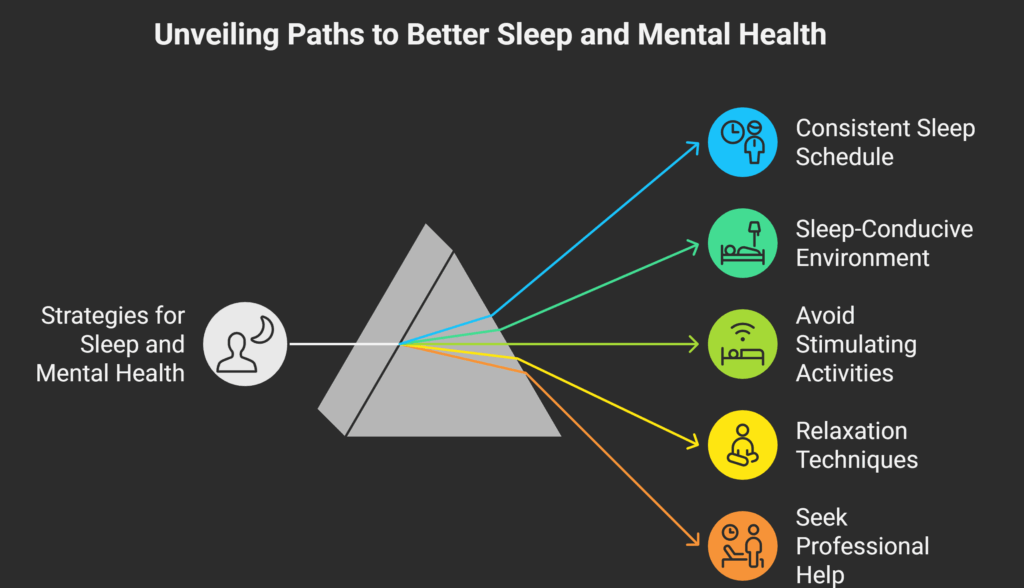
- Establish a consistent sleep schedule: Go to bed and wake up at the same time every day.
- Create a sleep-conducive environment: Make your bedroom dark, quiet, and cool.
- Avoid stimulating activities before bedtime: Avoid screens, exercise, or stimulating activities before bedtime.
- Practice relaxation techniques: Try relaxation techniques, such as deep breathing, progressive muscle relaxation, or mindfulness meditation.
- Seek professional help: Consult a mental health professional if you’re struggling with sleep or mental health issues.
How to Manage Mental Health Without Medication
There are various methods available today to improve mental health and treat mental illnesses. However, mental illnesses and treatment methods differ from the stereotypes portrayed in movies and series. As a result, people still have many misconceptions about mental illnesses and treatment methods.
To improve mental health, one can consider therapies and counseling in addition to meditation. The misconception that malayalam psychological counseling is only for people with illnesses needs to change. Counseling sessions can be used to improve mental health, approach life in a healthier and happier way, and even prevent illnesses. While counseling is often seen as a remedy for illnesses, it can also be used to enhance mental well-being and reduce symptoms.
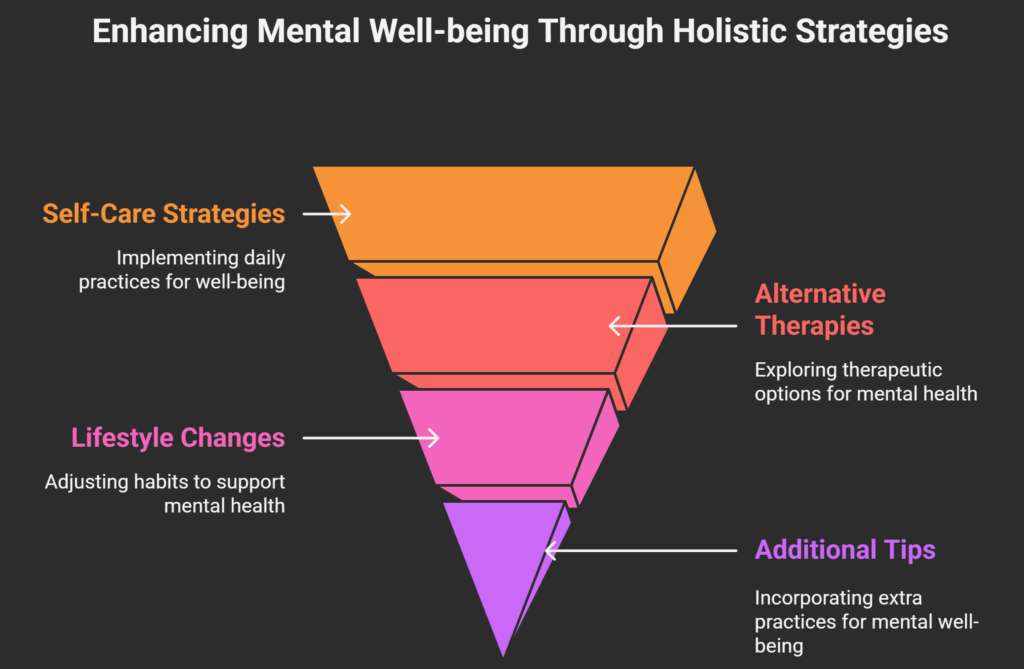
By understanding the options available for mental health treatment and breaking down misconceptions, we can work towards improving our mental well-being and seeking help when needed. Managing mental health without medication requires a holistic approach that incorporates self-care, lifestyle changes, and alternative therapies.
Here are some strategies to help you manage your mental health without medication:
Self-Care Strategies
- Mindfulness and meditation: Practice mindfulness techniques, such as deep breathing, progressive muscle relaxation, or guided meditation, to reduce stress and anxiety.
- Exercise and physical activity: Engage in regular exercise, such as walking, yoga, or other sports, to improve mood and reduce stress.
- Sleep hygiene: Establish a consistent sleep schedule, create a relaxing bedtime routine, and avoid screens before bedtime to improve sleep quality.
- Nutrition and diet: Focus on a balanced diet rich in whole foods, fruits, vegetables, and omega-3 fatty acids to support mental health.
- Social connections: Nurture relationships with family and friends, and engage in social activities to build a support network.
Alternative Therapies
- Cognitive-behavioral therapy (CBT): Work with a therapist to identify and challenge negative thought patterns and behaviors.
- Acceptance and commitment therapy (ACT): Focus on accepting difficult emotions and thoughts while taking action towards valued life goals.
- Mindfulness-based therapies: Practice mindfulness techniques, such as mindfulness-based stress reduction (MBSR) or mindfulness-based cognitive therapy (MBCT), to reduce stress and anxiety.
- Art therapy: Engage in creative activities, such as painting, drawing, or writing, to express emotions and promote relaxation.
- Nature therapy: Spend time in nature, engage in outdoor activities, or practice nature-based mindfulness to reduce stress and improve mood.
Feeling Overwhelmed?
You’re Not Alone. Get Support from an
Oppam Therapist Wherever You Are
Oppam Therapist Wherever You Are
Lifestyle Changes
- Stress management: Develop healthy coping mechanisms, such as journaling, deep breathing, or exercise, to manage stress.
- Time management: Prioritize tasks, set realistic goals, and take regular breaks to reduce stress and increase productivity.
- Leisure activities: Engage in activities that bring joy and relaxation, such as reading, listening to music, or hobbies.
- Self-compassion: Practice self-kindness, acknowledge emotions, and treat yourself with understanding and patience.
- Boundary setting: Establish healthy boundaries with others, prioritize self-care, and learn to say “no” when necessary.
Additional Tips
- Seek support: Connect with friends, family, or a therapist for emotional support and guidance.
- Practice gratitude: Reflect on things you’re grateful for each day to cultivate a positive mindset.
- Engage in activities that promote flow: Participate in activities that challenge you and promote a sense of accomplishment and enjoyment.
- Monitor progress: Keep a journal or track your progress to identify areas for improvement and celebrate successes.
When to Seek Professional Help
- Severe symptoms: If you’re experiencing severe symptoms, such as suicidal thoughts or intense emotional distress, seek immediate professional help.
- Impact on daily life: If your mental health is significantly impacting your daily life, relationships, or work, consider seeking professional help.
- Lack of progress: If you’re not seeing improvement with self-care and alternative therapies, consult a mental health professional for guidance and support.
World Health Organization defines health as a state of complete physical, mental and social well-being and not merely the absence of disease or infirmity.
According to the World Health Organization’s definition, health is a state of complete physical, mental, and social well-being. This highlights the interconnectedness of these three aspects of health. Physical health issues can impact mental and social well-being, just as mental health issues can affect physical and social health.
The mind and body are often considered separate entities, but they are, in fact, closely related. Mental health issues can manifest physically, affecting a person’s diet, sleep, and exercise habits, which can have a significant impact on their overall physical health. Additionally, negative mental states can affect the body, and substance use disorders can have a profound impact on both mental and physical health.
Need to Talk to Someone?
Book a private online session with a licensed therapist
Mental health can significantly impact physical health. Here’s an explanation:
The Mind-Body Connection:
- Stress Response: When we experience stress, anxiety, or other mental health issues, our body’s stress response is triggered, releasing hormones like cortisol and adrenaline. Chronic stress can lead to physical symptoms like headaches, digestive issues, and cardiovascular problems.
- Neurotransmitters and Hormones: Mental health conditions like depression and anxiety can affect the balance of neurotransmitters and hormones in our body, influencing physical symptoms like fatigue, sleep disturbances, and changes in appetite.
- Inflammation: Chronic stress and mental health conditions can lead to increased inflammation in the body, which is linked to various physical health problems, including cardiovascular disease, diabetes, and obesity.
- Sleep Disturbances: Mental health conditions like depression, anxiety, and PTSD can disrupt sleep patterns, leading to insomnia, daytime fatigue, or other sleep-related problems.
- Digestive Issues: Stress, anxiety, and other mental health issues can cause digestive problems like irritable bowel syndrome (IBS), acid reflux, or stomach ulcers.
- Pain: Mental health conditions like depression and anxiety can increase sensitivity to pain, making it more challenging to manage chronic pain conditions.
- Cardiovascular Problems: Chronic stress and mental health conditions like depression and anxiety can increase the risk of cardiovascular disease, including heart attacks, strokes, and high blood pressure.
- Weakened Immune System: Mental health issues like depression and anxiety can weaken the immune system, making us more susceptible to illnesses.
- Shared Underlying Factors: Mental and physical health issues often share common underlying factors, such as genetics, lifestyle, and environmental factors.
- Behavioral Factors: Mental health conditions can influence behaviors that impact physical health, such as poor diet, lack of exercise, or substance abuse.
- Physiological Changes: Mental health conditions can lead to physiological changes that affect physical health, such as changes in hormone levels or inflammation.
- Holistic Approach: Addressing mental health is essential for overall well-being, as it can impact physical health and vice versa.
- Early Intervention: Early intervention and treatment of mental health conditions can help prevent physical health problems.
- Lifestyle Changes: Making healthy lifestyle changes, such as regular exercise, balanced diet, and stress management, can benefit both mental and physical health.
It’s essential to understand and prioritize mental health, despite the lingering misconceptions and stigmas. By recognizing the symptoms and seeking scientific help, we can address mental health issues in kerala effectively. It’s crucial to prioritize your mental health without hesitation or concern for societal perceptions.
Mental health is an integral part of overall health, and any imbalance can affect overall well-being. Seeking help from therapists, psychologists, or counselors is not something to be ashamed of; it’s similar to consulting a doctor for physical health issues. Mental Health Day is celebrated every year to raise awareness and reduce misconceptions. Collective efforts are needed to create a supportive environment for mental health.
The movie “Koombalangi Nights” features a character played by Soubin Shahir who struggles with depression and consults a malayalam psychologist in online. The film effectively portrays the positive impact of seeking professional help from a psychologist and raises awareness about the role of mental health professionals in society.
Don’t hesitate to consult a mental health professional if you’re struggling with mental health issues. Mental health professionals can help you navigate challenging situations and improve your overall well-being. Don’t hesitate to seek help if you’re experiencing mental health issues or know someone who is. You’re not alone; there are professionals and support systems available to help.
You deserve a happy and healthy life, so let’s work on making that a reality!
Reference:
- https://www.who.int/news-room/fact-sheets/detail/mental-health-strengthening-our-response
- https://www.who.int/news-room/fact-sheets/detail/mental-disorders
- Mental Health Disorders – Selected Health Conditions and Likelihood of Improvement with Treatment – NCBI Bookshelf
- The 10 Most Common Mental Health Disorders | Explained – Insurdinary
- By 2025 mental disorder cases in India will go up by 23%
- Institute of Health Metrics and Evaluation. Global Health Data Exchange (GHDx), (https://vizhub.healthdata.org/gbd-results/, accessed 14 May 2022).
- Mental health in India: evolving strategies, initiatives, and prospects – The Lancet Regional Health – Southeast Asia
- Jayasankar, P. ∙ Manjunatha, N. ∙ Rao, G.N. ∙ et al.Epidemiology of common mental disorders: results from “National Mental Health Survey” of India, 2016Indian J Psychiatry. 2022; 64:13-19
- Mental Health Challenges of Young Adults Illuminated in New Report | Harvard Graduate School of Education
- Mental Health In Young Adults: What Are The Causes & Effective Ways To Overcome Mental Illness? – CMR Blog
- Mental Health and Sleep
- Friedrich, M. J. (2017, April). Depression Is the Leading Cause of Disability Around the World. JAMA, 317(15), 1517.
- http://jama.jamanetwork.com/article.aspx?doi=10.1001/jama.2017.3826
- Nutt, D., Wilson, S., & Paterson, L. (2008). Sleep disorders as core symptoms of depression. Dialogues in clinical neuroscience, 10(3), 329–336.
- https://pubmed.ncbi.nlm.nih.gov/18979946/
Struggling?
Talk to an Oppam Therapist
Get the Support You Deserve Online & Confidential