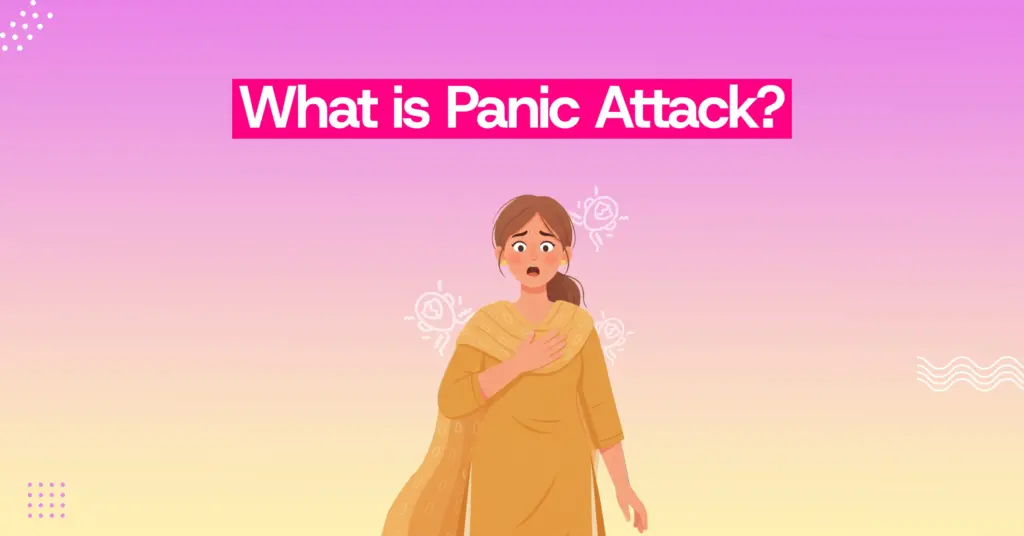
Panic attack symptoms and treatments are important to understand if you or someone you love struggles with sudden fear, anxiety, or physical distress. It is a sudden, intense episode of anxiety and fear that arises without any clear reason or trigger, such as physical danger or external stress. These attacks typically last from a few minutes to several hours and can be extremely distressing.
Let’s consider an example:
A college student, Sarah, is studying for an exam in a crowded library. Suddenly, she feels her heart racing, her palms sweating, and her breath quickening. She becomes overwhelmed with fear, thinking she’s going to pass out or lose control. This is a panic attack.
Consequences of panic attack:
- Avoidance behavior: Sarah starts avoiding crowded places, including classes and social events, due to fear of having another panic attack.
- Impact on daily life: Her grades suffer, and she becomes isolated from friends and family.
- Increased anxiety: The fear of having another panic attack creates more anxiety, making it harder for her to cope.
- Potential for other mental health issues: Untreated panic disorder can lead to depression, anxiety disorders, or substance abuse.
If a thief or murderer attacks with a weapon, it’s natural to feel afraid. However, a panic attack is a severe condition that occurs without any specific reason or trigger. It can happen at any time, such as while driving, sleeping, or relaxing.
Some people may experience panic attacks multiple times a day. Others may experience them weeks or months apart. Panic attacks can be unpredictable and disrupt daily life. If you’re experiencing symptoms of panic attacks, it’s essential to seek professional help.
Need to Talk to Someone?
Book a private online session with a licensed therapist
People experiencing panic attacks often exhibit excessive anxiety, even during sleep, due to symptoms of panic. Their concerns extend beyond mental stress and anxiety, as they worry about how others might react to their behavior. They may fear being judged or feared by others, leading to a constant sense of dread. It’s not surprising that individuals with panic attacks tend to avoid public places, especially crowded areas, due to their anxiety and fear. This avoidance behavior can significantly impact their daily lives and social interactions.
Studies suggest that approximately 1.5% to 3.5% of the population may experience panic attacks at some point in their lives. Women are twice as likely to be affected as men. The onset of symptoms typically occurs around the age of 25.
Panic Attack Symptoms in Women and Men: What’s the Difference?

In Kerala, many men and women experience panic attacks differently — women often report chest pain, breathlessness, and emotional overwhelm, while men may show restlessness, heart palpitations, or sudden fear without realizing it’s anxiety. Lifestyle stress, family expectations, and work pressure in Kerala can make these symptoms worse if left untreated. Recognizing these early signs and seeking online counselling in Kerala through trusted platforms like Oppam can help you manage panic attacks safely and confidently from home.
Panic disorder symptoms often emerge after stressful life events, such as:
- Divorce
- Job loss
- Death of a loved one
Research suggests that individuals who experienced mental stress in their youth are more likely to develop panic disorder. Additionally, people with panic disorder are at a higher risk of developing other mental health issues. Some individuals may turn to substance abuse, such as excessive use of alcohol or sleeping pills, as a form of self-medication, which can lead to addiction.
Panic attacks can be triggered by a variety of factors, including:
- Stress: High levels of stress can contribute to panic attacks.
- Genetics: Family history of anxiety or panic disorders can increase risk.
- Brain Chemistry: Imbalances in neurotransmitters, such as serotonin and dopamine, can contribute to panic attacks.
- Trauma: Past traumatic experiences can increase the risk of developing panic disorder.
- Phobias: Specific phobias or fears can trigger panic attacks.
- Medical Conditions: Certain medical conditions, such as heart disease or thyroid disorders, can contribute to panic attacks.
- Substance Abuse: Use of stimulants, such as caffeine or cocaine, can trigger panic attacks.
- Major Life Changes: Significant life changes, such as a move or job change, can trigger panic attacks.
Panic Attack Symptoms And Treatments How to Seek Help

Researchers have not yet fully understood the exact cause of panic disorder. However, they speculate that it may be related to:
- Imbalances in neurotransmitters in the limbic system of the brain, which regulates emotions.
- Elevated levels of adrenaline in the blood and brain.
Brain Regions Involved:
The brain’s anxiety control centers include:
- Brainstem
- Limbic system
- Prefrontal cortex
Genetic Risk:
There is a 4-8% chance of developing panic disorder if there is a family history of the condition, suggesting a possible genetic link.
Agoraphobia
Agoraphobia is characterized by noticeable changes in behavior due to fear of being trapped in crowded or isolated places, with concerns about escape, treatment, or safety. Individuals with agoraphobia may:
- Avoid going out alone
- Require accompaniment for daily tasks
- Need to take time off work or retire early
If left untreated, agoraphobia can lead to significant impairment in daily life and functioning. Online therapy for panic attacks would be a better treatment plan.
Panic Attack Treatments and Natural Remedies in Kerala
To diagnose panic disorder, at least four of the following symptoms should be present:
- Palpitations or strong heartbeat without reason
- Sweating
- Trembling or shaking
- Feeling of shortness of breath
- Chest pain or discomfort
- Nausea or abdominal distress
- Dizziness or lightheadedness
- Feeling of losing control or awareness of surroundings
- Fear of losing control or going crazy
- Fear of dying
- Numbness or tingling sensations in hands, feet, or other body parts
Let’s be honest. Mihir’s story is not an isolated case.
In Kerala alone, recent reports show:
- A 20% increase in ragging-related incidents in schools and colleges over the past three years.
- A rise in student suicides, with mental health issues like anxiety, depression, and bullying being key contributors.
- Growing cases of substance abuse among teenagers as a coping mechanism for emotional distress.
- Behind every statistic is a story, a child battling silent wars, unnoticed by the very people meant to protect them
The symptoms mentioned above can be associated with various physical conditions (e.g., heart attack, asthma, thyroid disorders, adrenal gland dysfunction, hypoglycemia, epilepsy). Therefore, a thorough physical examination is necessary to rule out underlying medical conditions.
Panic disorder can also be triggered or exacerbated by:
- Substance abuse (alcohol, drugs)
- Certain medications (e.g., asthma medications)
A comprehensive physical and mental evaluation is essential to diagnose panic disorder accurately. If diagnosed, treatment by a mental health professional, such as a psychiatrist, is recommended. Seeking professional help is crucial to receive an accurate diagnosis and effective treatment.
Feeling Overwhelmed?
You’re Not Alone. Get Support from an
Oppam Therapist Wherever You Are
Oppam Therapist Wherever You Are
You should seek professional help for panic attacks if you experience:
- Frequent or severe panic attacks
- Interference with daily life or relationships
- Persistent fear of having another attack
- Avoidance behaviors due to fear
- Physical symptoms like rapid heartbeat, sweating, or trembling
Consult a mental health professional, such as a therapist or psychiatrist, for proper diagnosis and treatment. They can help you develop coping strategies and provide support to manage panic attacks.
Expert-Recommended Tips to Prevent Panic Attacks Symptoms
The most effective way to prevent panic attacks is through proper treatment. A mental health professional’s treatment approach may include:
- Assessment: Exploring the patient’s anxious thoughts and physical symptoms associated with panic attacks.
- Behavioral Evaluation: Investigating the patient’s behavior patterns during panic attacks.
- Comorbidity Assessment: Identifying any co-occurring mental health conditions.
By understanding the patient’s specific needs and circumstances, a mental health professional can develop an effective treatment plan to prevent panic attacks.
Like other physical and mental health conditions, panic disorder can be effectively managed with various medications. The most important ones are:
- Antidepressants: These medications are highly effective in treating panic disorder, especially when accompanied by depression.Antidepressants can help alleviate symptoms of panic disorder, improving overall quality of life.
In addition to medication, a psychological approach called Cognitive Behavioral Therapy (CBT) can help individuals manage panic disorder. CBT involves:
- Identifying and addressing underlying issues
- Learning coping mechanisms and control techniques
- Behavioral exercises to manage anxiety
CBT for panic disorder may include:
- Breathing exercises
- Relaxation techniques
- Other exercises to help individuals self-manage panic attacks
This therapy helps individuals develop skills to manage and reduce panic symptoms.
Combining Cognitive Behavioral Therapy (CBT) with medication can lead to significant improvement in most patients. With proper long-term treatment:
- 30-40% of patients can achieve near-total remission.
- Many others can manage symptoms effectively, enabling them to lead normal lives.
Many in Kerala have found that combining therapy and lifestyle changes through Oppam’s online counselling helps them recover sustainably while maintaining privacy and comfort at home.
Quick tips to stop a Panic Attack Symptoms
When a panic attack strikes, grounding yourself quickly can make all the difference. Start by taking slow, deep breaths, count to five with each inhale and exhale, and remind yourself that the feeling will pass. Splashing cool water on your face, sitting in a quiet space, or calling a trusted friend can help calm racing thoughts. In Kerala, where daily stress and work pressure often trigger anxiety, learning these quick relief techniques is essential. If panic attacks keep repeating, consider online counselling with Oppam, where professional therapists in Kerala can guide you through personalized breathing and relaxation methods from the comfort of your home.
Seek help if you experience panic attacks more than twice a month, or if fear of an attack starts affecting your daily life, work, or relationships. Kerala residents can now easily access licensed counsellors and psychologists online via Oppam, ensuring private, affordable, and immediate support without travelling.
Here are some quick tips to help manage a panic attack;
- Breathe deeply: Focus on slow, deep breaths to calm your body.
- Ground yourself: Notice your surroundings, sights, and sounds to shift focus away from anxiety.
- Use positive self-talk: Encourage yourself with calming phrases, such as “I’ve got this” or “I’m safe.”
- Practice relaxation techniques: Try progressive muscle relaxation, visualization, or mindfulness meditation.
- Use physical comfort: Hold a comforting object, or engage in gentle physical activity.
Remember, these tips are not a replacement for professional help. If you’re experiencing frequent or severe panic attacks, consider seeking support from a mental health professional.
Effective Long-Term Treatments for Panic Attacks in Kerala

Managing panic attacks over time requires more than just quick fixes — it’s about building steady emotional strength. In Kerala, combining therapy, mindfulness, and lifestyle changes has shown great results for people facing recurring anxiety or panic disorder. Regular online counselling with Oppam helps you understand triggers, develop coping techniques, and maintain long-term mental balance with professional guidance from trusted Kerala therapists.
Here are some long-term tips to help manage and reduce panic attacks:
- Regular Exercise: Engage in physical activity, like walking or yoga, to reduce anxiety.
- Mindfulness and Meditation: Practice mindfulness techniques, such as meditation or deep breathing, to calm your mind.
- Cognitive Behavioral Therapy (CBT): Work with a therapist to identify and change negative thought patterns.
- Healthy Sleep Habits: Establish a consistent sleep schedule and create a relaxing bedtime routine.
- Stress Management: Develop healthy coping mechanisms, such as journaling or talking to a friend.
- Avoid Triggers: Identify and avoid triggers that can lead to panic attacks.
- Medication (if prescribed): Take medication as directed by your healthcare provider.
- Support Network: Build a support network of friends, family, or a support group.
Remember, everyone’s experience with panic attacks is unique, and it’s essential to work with a healthcare professional to develop a personalized plan.
It’s essential to understand and recognize the symptoms of panic attacks. Preventing panic attacks is crucial, as they can significantly impact one’s life. Professional help is often necessary to manage panic attacks.
If you live in Kerala and struggle with anxiety or panic attacks, Oppam’s online counselling connects you with licensed therapists who understand local lifestyles, culture, and challenges.
Struggling?
Talk to an Oppam Therapist
Get the Support You Deserve Online & Confidential