
Online Masturbation Addiction Counselling in Malayalam
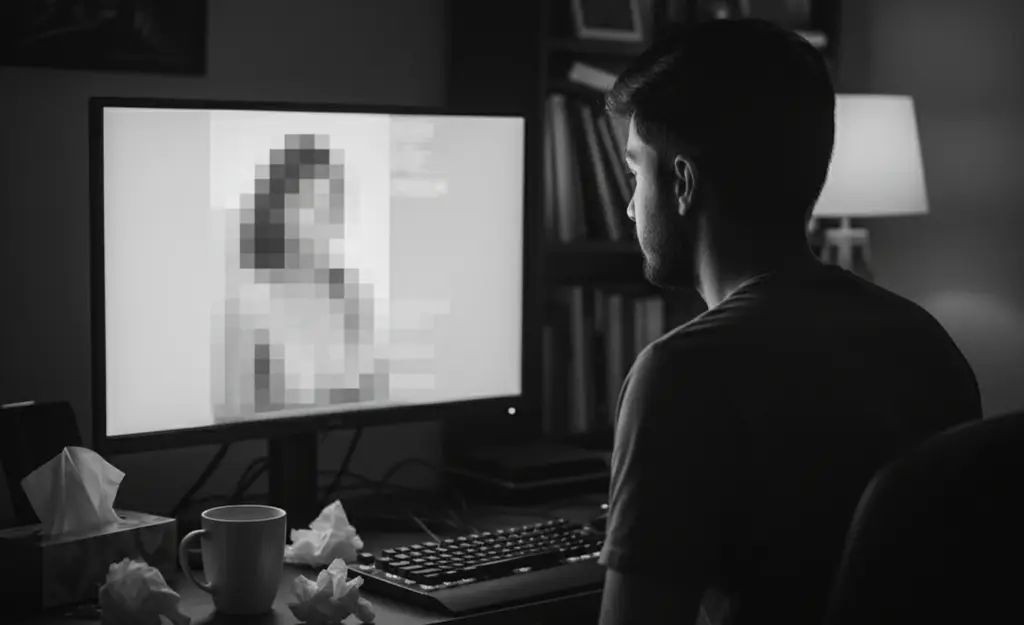
Signs that show you need Masturbation therapy
Couples gain a deeper understanding of each other.
You feel guilty after doing it.
You do it too often.
You can’t control the sexual urge.
You always need porn.
You avoid intimacy with your partner.
You feel tired or weak after it.
You use it to escape stress or boredom.
You feel anxious about the habit.
You are less satisfied in sex.
You spend too much time on it.
You feel frustrated you can’t stop.
You worry it affects your health or relationship.
More Ways We Can Help
Fathimath Shamneera
Psychosexual Counsellor
5+ Years of experience
Starts at ₹1500 per session
Expertise: Career guidance Behavioural modification
Speaks: English, Malayalam
Session Mode: Video, Voice
Expertise: Career guidance Behavioural modification
Speaks: English, Malayalam
Session Mode: Video, Voice
Next available slot:
Loading...
Shakhiya S Priyamvada
Psychosexual Therapist
1500+ Therapy Hours
Starts at ₹2000 per session
Expertise: Career guidance Behavioural modification
Speaks: English, Malayalam
Session Mode: Video, Voice
Expertise: Career guidance Behavioural modification
Speaks: English, Malayalam
Session Mode: Video, Voice
Next available slot:
Loading...
How can a Malayali sexologist help you?
- Listen to your concerns without judgment.
- Help you understand masturbation in a healthy way.
- Guide you to manage and control your urges.
- Teach you simple steps to reduce guilt and shame.
- Support you in breaking porn dependency.
- Help you build better intimacy in your relationship.
Steps to Book Masturbation Therapy Online

- Book Your Slot – Pick a time that works for you, from anywhere.
- 1:1 Private Session– Talk openly with a Malayali sex therapist in video or audio call.
- Safe and Confidential – We protect your privacy, so you can share without fear.
- Personal Guidance – Get clear advice to manage sexual urges and build a healthy sexual lifestyle.
- Practical Steps – Learn simple ways to reduce guilt and improve control.
- Continuous Support – Take follow-up sessions to stay on track and balanced.
See How Therapy Changed Lives
From Bengaluru
Any Questions?

How often is too much masturbation?
Can masturbation cause health problems?
Why do I feel guilty after masturbating?
Can therapy help me control urges?
Does masturbation affect my sexual life with my partner?
How private is masturbation therapy?
How long does therapy take to see results?
Is masturbation good or bad for health?
How OPPAM Helps You in Masturbation Therapy
At OPPAM, we have certified Malayali sex therapists who understand your culture and emotions. Our experts guide you with care and help you manage masturbation-related concerns in a healthy way.
Your privacy is our top priority. All sessions are fully secure and confidential.Nothing is ever shared. You can open up freely without fear or judgment.
No matter where you are in the world, OPPAM connects you with trusted Malayali therapists who listen, support, and guide you toward healing.
Meet Our Certified Therapists for Masturbation Problems
What is Masturbation? ?
Why Do People Develop Masturbation Addiction?
Signs You Might Need Help
How Therapy Help
Masturbation and Sexual Wellness
Masturbation is part of sexual wellness when balanced. Understanding your urges, habits, and triggers helps you stay in control. Therapy supports mental and sexual health, improves confidence, and strengthens intimacy with yourself and partners.
Causes of Masturbation
Biological / neurochemical causes
- Sexual desire and arousal are driven by hormones (testosterone, estrogen) and brain reward circuits.
- Masturbation activates dopamine and other reward pathways, which can reinforce the behavior.
Emotional and psychological causes
- Stress relief — people use masturbation to relax or reduce anxiety.
- Emotion regulation — it can act like a coping tool for sadness, boredom, loneliness, or anger.
- Curiosity and sexual exploration, especially during adolescence.
Habit and learning
- Repeated use in certain contexts (bedtime, alone after work) creates automatic habits.
- Easy access to sexual content (internet, privacy) makes repetition more likely.
Relationship and sexual reasons
- Lack of sexual satisfaction in a relationship or mismatched desire can increase solo sexual activity.
- Partner absence (long-distance, separation) can lead to more frequent masturbation.
Social and cultural factors
- Guilt or shame about sex (from cultural, religious, or family messages) can paradoxically increase secretive or compulsive masturbation.
Mental-health and substance influences
- Depression, anxiety, ADHD, and substance use can change sexual behavior patterns; either increasing or decreasing masturbation.
Effects (when masturbation is problematic or excessive)
Mental health
- Short-term relief from stress or anxiety.
- If used compulsively, it can increase feelings of guilt, shame, or anxiety after the act.
- May worsen depression or anxiety if it interferes with daily life or self-image.
Relationships
- Secrecy or mismatch in sexual expectations can reduce trust and intimacy.
- Use of pornography that becomes preferred over partnered sex may create dissatisfaction in relationships.
Self-esteem and identity
- Frequent secrecy and shame can lower self-esteem.
- People may feel out of control, which harms their sense of agency.
Productivity and daily life
- Excessive time spent masturbating or viewing sexual content can reduce work, study, or social activities.
- Sleep disruption if it occurs late at night.
Sexual health and function
- Mostly physical effects are minor (temporary genital soreness).
- In some people, compulsive stimulation patterns can reduce sensitivity or change response to partnered sex (e.g., delayed orgasm with a partner).
- Rarely, extreme behaviors can cause injury.
Assessment Sex Therapist Use
- History of sexual behavior and patterns (frequency, triggers, context).
- Mental-health screening (depression, anxiety, substance use, ADHD).
- Medical and medication review (some meds change libido).
- Relationship and psychosocial evaluation.
- Assess for suicidality or risky behavior if concerns exist.
Young children and masturbation : should you worry?
Is masturbation normal for teens?
What are the physical and mental effects of masturbation ?
Can masturbation affect sexual health or relationships?
Can masturbation affect men’s sexual performance or libido?
- Difficulty maintaining erection with a partner.
- Delayed ejaculation due to overstimulation from specific patterns.
- Lower libido if it replaces partnered sex completely.
Are there side effects of masturbation for women?
- Temporary soreness or swelling of the genitals.
- Small skin irritation if done too roughly.
- Guilt or shame if they believe it is wrong.
How does a partner’s masturbation affect a relationship?
- One partner hides it and the other feels betrayed.
- One partner thinks masturbation means they are not attractive enough.
- One partner replaces intimacy with masturbation and avoids sex.

