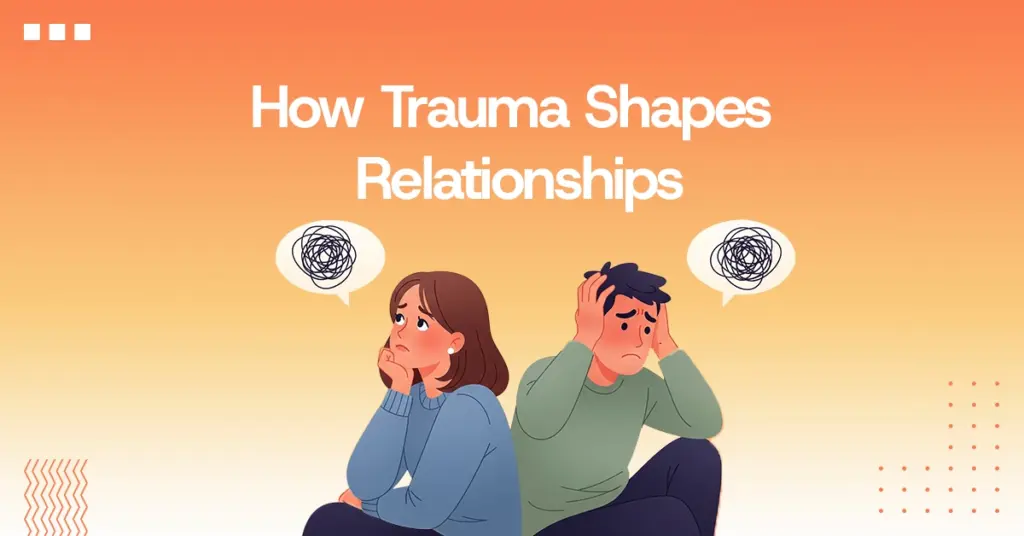
Healing from past trauma in relationships is a challenging yet transformative journey that many couples face. A and B have been together for three years. A experienced emotional abuse in her previous relationship, which left her with trust issues and anxiety. Whenever B is late or doesn’t respond to her messages immediately, A becomes overwhelmed with anxiety and fear, assuming he’s abandoning her or doesn’t care about her.
Events that have occurred in life can sometimes create trauma. If not understood and resolved through counseling, this trauma can disrupt various areas of your life. Trauma can cause cracks in your personal life, professional life, and relationships. It’s essential in a relationship to understand if your partner is going through any kind of trauma. Sometimes, the uncomfortable feelings, trust issues, and avoidance your partner displays, and the problems that occur in the relationship, can be caused by trauma.
For the person experiencing trauma, it may not be clear that this is the reason for their behavior towards their partner. Therefore, only by accurately understanding and resolving trauma can relationships become healthy. By understanding and addressing trauma, individuals can build healthier relationships. This requires empathy, communication, and a willingness to work through challenges together.
Need to Talk to Someone?
Book a private online session with a licensed therapist
Struggling to heal from past relationship trauma? how Malayalam counseling and therapy in Kerala can help you rebuild healthy, happy relationships
How to Heal from Past Relationships in Kerala
Let’s start with the example mentioned earlier:
In the case of A and B,
How past trauma affects relationships:
- Misinterpretation: A misinterprets B’s actions, assuming he’s intentionally ignoring her or doesn’t care.
- Overreaction: A overreacts to situations, becoming defensive or accusatory.
- Trust issues: A struggles to trust B, constantly seeking reassurance.
- Communication challenges: A and B have difficulty communicating effectively, leading to misunderstandings.
Why Many Malayali Couples Struggle with Past Relationship Pain
- Strain on the relationship: A’s past trauma puts a strain on the relationship, causing tension and conflict.
- B’s frustration: B feels frustrated and helpless, not understanding why A reacts so strongly to certain situations.
- Lack of intimacy: A’s trust issues and anxiety make it challenging for the couple to be intimate and vulnerable with each other.
Past trauma can significantly impact relationships in various ways. Here are some potential effects:
1. Emotional Challenges
- Trauma often creates difficulties in trusting others. Trust is crucial in relationships, and past trauma can lead to trust issues in new relationships, making it challenging to move forward healthily.
- Trauma also affects emotional regulation, leading to mood swings, anxiety, and depression, which can create cracks in relationships.
- Difficulty forming and maintaining intimate connections with others can be a sign of underlying trauma, leading to feelings of isolation and disconnection.
2. Behavioral Patterns
- Trauma can lead to avoidance behaviors, such as avoiding emotional conversations or intimate situations.
- It can also cause hypervigilance, leading to anxiety and defensiveness in relationships.
- Trauma can also lead to self-sabotaging behaviors, such as pushing partners away or engaging in destructive patterns.
3. Relationship Dynamics
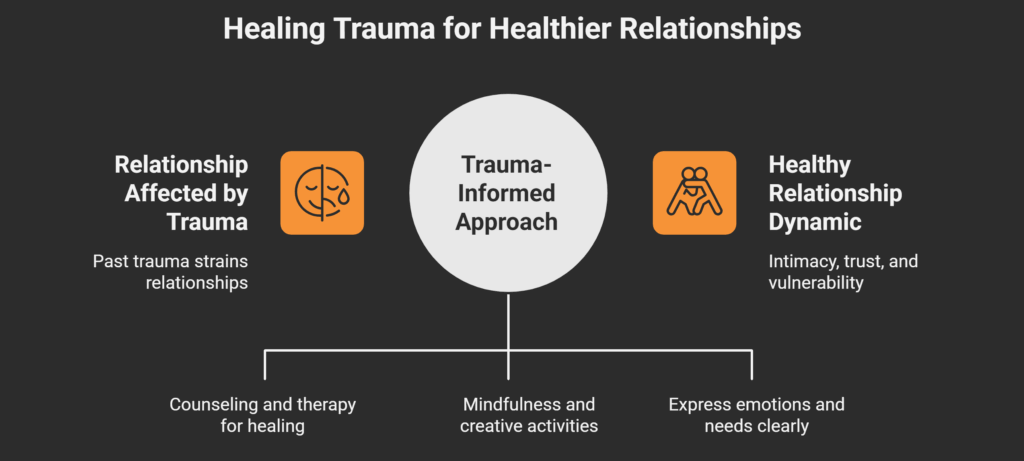
- Trauma affects communication styles, making it difficult to express emotions and needs.
- Past trauma can also impact conflict resolution skills, leading to unhealthy conflict resolution patterns.
- Emotional availability is essential in relationships, but past trauma can make individuals emotionally unavailable, leading to disconnection and feelings of abandonment.
4. Healing and Growth
- Trauma requires proper treatment, and understanding its causes is crucial to resolving it. This can be achieved through counseling or other therapies.
- When you recognize that your partner is going through trauma, you can consider trauma-informed relationship therapy.
- Additionally, online therapy in Malayalam for relationship trauma and counseling for healing from trauma can be beneficial.
- Kerala-based Oppam counseling services offer couple’s counseling, trauma-informed relationship therapy, and mental health support.
- Furthermore, practicing self-care, mindfulness, and engaging in creative activities can help manage stress and improve mental well-being. This can also aid individuals in managing trauma symptoms.
It’s essential to recognize that everyone’s experience with trauma is unique, and the impact on relationships can vary. With support, self-care, and a willingness to heal, individuals can work through their trauma and develop healthier, more fulfilling relationships.
- Relationship strain: If Alex doesn’t make changes, the relationship may suffer long-term damage.
- Communication breakdown: The couple’s communication may become increasingly strained.
- Dealing with a partner who prioritizes work over the relationship can be challenging and emotionally draining.
Healing from Past Relationship Trauma with Malayalam Counseling
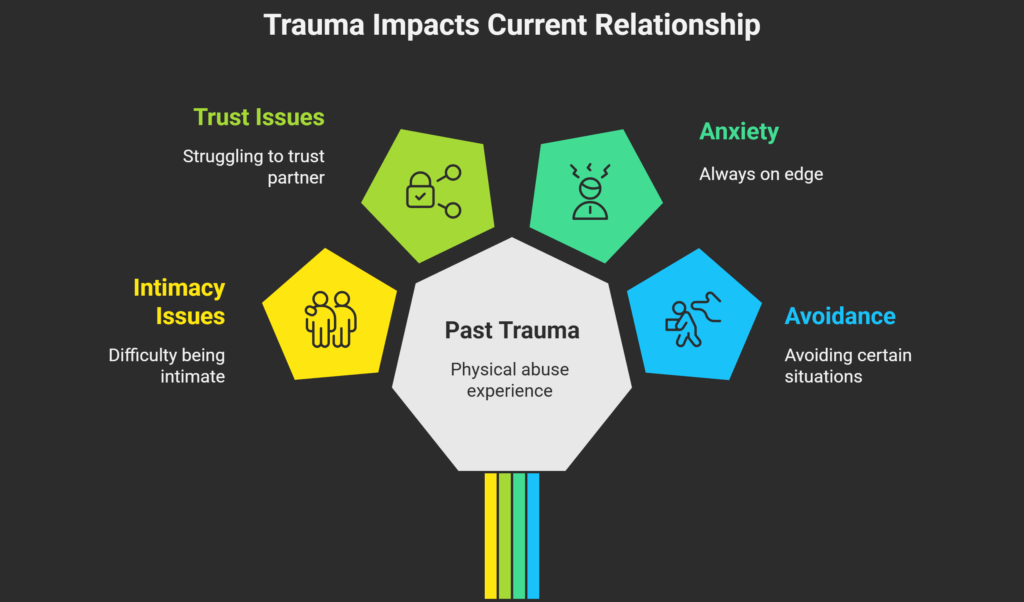
Annie experienced physical abuse in her previous relationship. Now, in her current relationship with Felix, she struggles with intimacy and trust. Whenever Felix touches her unexpectedly or raises his voice, Annie becomes anxious and withdraws.
Effects on the Relationship
- Intimacy issues: Annie’s past trauma makes it challenging for her to be intimate with Felix, leading to feelings of disconnection.
- Trust issues: Annie struggles to trust Felix, constantly worrying that he’ll hurt her.
- Anxiety and hypervigilance: Annie is always on edge, anticipating potential threats or dangers.
- Avoidance behaviors: Annie avoids certain situations or activities that remind her of the traumatic experience.
Impact on Y
- Confusion and frustration: Felix feels confused and frustrated by Annie’S reactions, not understanding why she pulls away or becomes anxious.
- Feeling helpless: Felix feels helpless, not knowing how to support Annie or help her feel safe.
- Strain on the relationship: Annie’S past trauma puts a strain on the relationship, causing tension and conflict.
Healing and Growth
- Therapy: Annie seeks therapy for past relationships Kerala to work through her trauma and develop coping strategies.
- Communication: Felix and Annie work on communicating more effectively, with Felix being more understanding and supportive.
- Building trust: Felix makes an effort to be more patient, understanding, and gentle, helping to build trust with Annie.
By acknowledging the impact of trauma and working together, Annie and Felix can build a stronger, more resilient relationship. Healing from trauma requires effort, commitment, and mutual support from both partners. It’s a process that involves:
1. Communication is Key
Open and honest communication is crucial in relationships. It allows partners to share feelings, needs, and boundaries, fostering a healthy and strong connection.
Effective communication involves:
- Active listening: Paying attention to your partner’s perspective and emotions.
- Empathy and understanding: Validating your partner’s feelings and experiences.
2. Building Trust
Trust is a vital component of any relationship. To build trust:
- Consistency and reliability: Follow through on commitments and maintain a consistent routine.
- Transparency: Be open and honest with your partner.
- Responsibility: Take ownership of your actions and apologize when necessary.
3. Emotional Support
Emotional validation and empathy are crucial in relationships. Partners should strive to:
- Understand each other’s perspectives: Make an effort to see things from your partner’s point of view.
- Create a safe and supportive environment: Foster a positive and nurturing atmosphere that promotes healing.
4. Seeking Professional Help
Seeking help from a couples therapist can be beneficial in addressing trauma and relationship issues.
Feeling Overwhelmed?
You’re Not Alone. Get Support from an
Oppam Therapist Wherever You Are
Oppam Therapist Wherever You Are
- Help understand and resolve trauma: Provide a safe and supportive environment to work through challenges.
- Develop coping strategies: Identify effective ways to manage trauma and relationship stress.
Types of Therapy:
- Couples therapy: Addresses relationship dynamics and communication.
- Individual therapy: Focuses on personal healing and development of coping strategies.
- Trauma-informed therapy: Specifically designed to address trauma and its effects.
5. Self-Care
Prioritizing self-care is essential. Engage in activities that promote relaxation and stress reduction to aid in trauma healing. Setting healthy boundaries is also crucial in maintaining a healthy relationship.
- Emotional protection: Establishing and maintaining healthy boundaries protects your emotional well-being.
- Stress reduction: Engaging in relaxing activities helps manage stress and promotes overall well-being.
6. Patience and Understanding
Healing from trauma takes time, patience, and understanding. Recognize that:
- Healing is a process: It takes time to work through trauma and related issues.
- Small victories matter: Celebrate small successes along the way.
- Support is key: Working together and seeking support can aid in healing and strengthen relationships.
How Past Trauma Affects Romantic Relationships & Healing in Kerala

Priya experienced emotional neglect in his childhood, which led to feelings of abandonment and low self-worth. In his current relationship with Nandu, Priya becomes overly attached and clingy, constantly seeking reassurance and attention.
Effects on the Relationship
- Overdependence: Priys becomes overly dependent on Nandu, relying on her for emotional validation.
- Anxiety and insecurity: Priyas’s past trauma makes him anxious and insecure, leading to clingy behavior.
- Jealousy and possessiveness: Priya becomes jealous and possessive, feeling threatened by Nandu’s interactions with others.
- Conflict: Priya’s behavior causes conflict in the relationship, with Nandu feeling suffocated and overwhelmed.
Impact on Y
- Feeling suffocated: Priya’s constant need for attention and reassurance makes Nandu feel suffocated.
- Frustration and burnout: Nandu feels frustrated and burned out, not knowing how to meet Priya’s emotional needs.
- Concern for Priya’s well-being: Nandu is concerned about Priya’s well-being and wants to support her, but doesn’t know how.
Trauma can significantly impact romantic relationships. Here are some potential effects:
1.Emotional Challenges
- Trust issues: Trauma can lead to difficulties in trusting partners, making it challenging to form and maintain intimate connections.
- Emotional regulation: Trauma can affect emotional regulation, leading to mood swings, anxiety, or depression, which can impact relationships.
- 3. Intimacy issues: Trauma can make it difficult to form intimate connections, leading to feelings of disconnection or isolation.
2.Relationship Dynamics
- Communication challenges: Trauma can impact communication styles, leading to difficulties in expressing emotions or needs.
- Conflict resolution: Trauma can affect conflict resolution skills, leading to difficulties in resolving disputes in a healthy manner.
- Emotional unavailability: Trauma can make individuals emotionally unavailable, leading to feelings of disconnection or abandonment.
3.Potential Triggers
- Triggers: Certain situations or stimuli can trigger traumatic memories or emotions, impacting relationships.
- 2. Avoidance behaviors: Trauma can lead to avoidance behaviors, such as avoiding emotional conversations or intimate situations.
4.Healing and Growth
- Seeking support: Seeking support from partners, therapists, or support groups can help individuals heal from trauma.
- Communication and empathy: Open communication, empathy, and understanding can help partners navigate trauma-related challenges.
- Building trust: Building trust, intimacy, and emotional connection can help individuals heal and strengthen relationships.
5.Key Considerations
- Patience and understanding: Healing from trauma takes time, patience, and understanding.
- Supportive environment: A supportive environment can facilitate healing and growth.
- Professional help: Seeking professional help, such as therapy, can be beneficial in navigating trauma-related challenges.
By acknowledging the impact of trauma and working together, individuals can build stronger, more resilient relationships.
How to Support a Partner and Heal from Past Relationship Trauma in Kerala
The first step is to understand your partner and the trauma they’re going through. It’s essential to support them with empathy, understanding, and patience. Trauma can only be healthily resolved through counseling and proper support.
To support a partner with past trauma:
1.Emotional Support
To provide emotional support:
- Active listening: Listen without judgment, validating your partner’s feelings and acknowledging their pain.
- Patience and understanding: Recognize that healing from trauma takes time.
2.Creating a Safe Environment
Create a safe and comfortable environment where your partner feels:
- Free to express themselves: Encourage open communication about their feelings and pain.
- Respected boundaries: Respect their limits and avoid pushing them to discuss topics they’re not ready for.
3.Supporting Their Healing Journey
To support your partner’s healing journey:
- Encourage professional help: Suggest trauma-informed therapy or counseling to aid in healing.
- Support self-care activities: Encourage activities like exercise, meditation, and creative pursuits.
- Acknowledge progress: Recognize and celebrate their efforts and progress.
4.Educating Yourself
It’s essential to educate yourself about:
- Trauma and its effects: Understand the impact of trauma on your partner’s life.
- Healing process: Learn about the healing process and how to support your partner.
- Triggers and support: Understand your partner’s triggers and how to provide support.
5.Building Trust
Building trust is crucial in a relationship, especially during the healing process. To build trust:
- Be reliable: Follow through on commitments and maintain consistency.
- Communicate openly and honestly: Foster a sense of trust and connection through transparent communication.
- Show empathy: Understand and acknowledge your partner’s feelings and experiences.
- Healing and recovery: Trust can facilitate the healing process and promote recovery.
Signs Past Relationship Trauma Is Affecting Your Relationship in Kerala
Here are some signs that your trauma may be affecting your relationship:
1.Emotional Signs
- Difficulty trusting your partner: You struggle to trust your partner due to past experiences.
- Emotional reactivity: You overreact or become overly emotional in certain situations.
- Avoiding intimacy: You avoid physical or emotional intimacy due to past trauma.
- Feeling disconnected: You feel disconnected from your partner or struggle to form a deep connection.
2.Behavioral Signs
- Difficulty trusting your partner: You struggle to trust your partner due to past experiences.
- Emotional reactivity: You overreact or become overly emotional in certain situations.
- Avoiding intimacy: You avoid physical or emotional intimacy due to past trauma.
- Feeling disconnected: You feel disconnected from your partner or struggle to form a deep connection.
3.Relationship Dynamics
- Conflict and arguments: You experience frequent conflicts or arguments with your partner.
- Feeling stuck: You feel stuck or uncertain about how to move forward in your relationship.
- Lack of emotional support: You feel like your partner doesn’t understand or support you.
- Feeling isolated: You feel isolated or disconnected from your partner.
4.Physical Signs
- Physical tension: You experience physical tension or discomfort in certain situations.
- Avoiding physical touch: You avoid physical touch or intimacy due to past trauma.
- Sleep disturbances: You experience sleep disturbances or nightmares related to your trauma.
For many Malayalis in Kerala and abroad, past relationship trauma often goes unspoken due to cultural stigma. Seeking help from Malayalam-speaking counselors can make the healing journey easier.
Relationship Triggers from Past Trauma in Malayali Couples
Relationship triggers from past trauma can vary depending on the individual and their specific experiences. Here are some common triggers:
1.Emotional Triggers
- Abandonment or rejection: Fear of being abandoned or rejected by a partner.
- Criticism or judgment: Feeling criticized or judged by a partner.
- Emotional unavailability: Feeling like a partner is emotionally unavailable or unresponsive.
- 4. Intimacy or physical touch: Feeling uncomfortable with intimacy or physical touch.
2.Behavioral Triggers
- Control or manipulation: Feeling controlled or manipulated by a partner.
- Dishonesty or betrayal: Discovering dishonesty or betrayal in a relationship.
- Lack of communication: Feeling like a partner isn’t communicating openly or honestly.
- Unpredictability: Feeling like a partner’s behavior is unpredictable or unstable.
3.Situational Triggers
- Specific dates or anniversaries: Certain dates or anniversaries that remind you of the traumatic event.
- Similar situations: Situations that are similar to the traumatic event.
- Certain environments: Certain environments or settings that remind you of the traumatic event.
4.How to Manage Triggers
- Identify your triggers: Recognize what triggers your trauma responses.
- Communicate with your partner: Openly communicate with your partner about your triggers and needs.
- Develop coping strategies: Develop coping strategies, such as deep breathing or mindfulness, to manage triggers.
- Seek support: Consider seeking support from a therapist or counselor to work through trauma.
Whether you’re in Kochi, Trivandrum, or part of the Malayali diaspora in GCC, therapy without judgment in Malayalam can help you rebuild emotional strength.
How Malayali Couples Can Build Trust After Past Trauma
Building trust after trauma requires effort, commitment, and understanding from both partners. Here are some steps to help build trust:
1.Communication
- Open and honest communication: Share your feelings, needs, and boundaries with your partner.
- Active listening: Listen to your partner’s perspective and validate their emotions.
2.Consistency and Reliability
- Follow through on commitments: Keep promises and maintain a consistent routine.
- Be reliable: Show up and be present for your partner.
3.Emotional Safety
- Create a safe space: Create a safe and comfortable environment for open communication.
- Validate emotions: Validate each other’s emotions and acknowledge each other’s experiences.
4.Building Intimacy
- Gradual intimacy: Gradually build intimacy and physical connection.
- Respect boundaries: Respect each other’s boundaries and comfort levels.
5.Seeking Support
- Couples therapy: Consider seeking the help of a couples therapist. Book a therapist for relationship trauma recovery.
- Individual therapy: Individual therapy can help you process trauma and develop coping strategies. Book a therapy services at Oppam.
6.Patience and Understanding
- Healing takes time: Be patient and understanding, recognizing that healing from trauma takes time.
- Celebrate small victories: Celebrate small victories and acknowledge progress.
By working together and seeking support, you can build trust and strengthen your relationship.
Couples Healing from Relationship Trauma with Malayalam Counseling
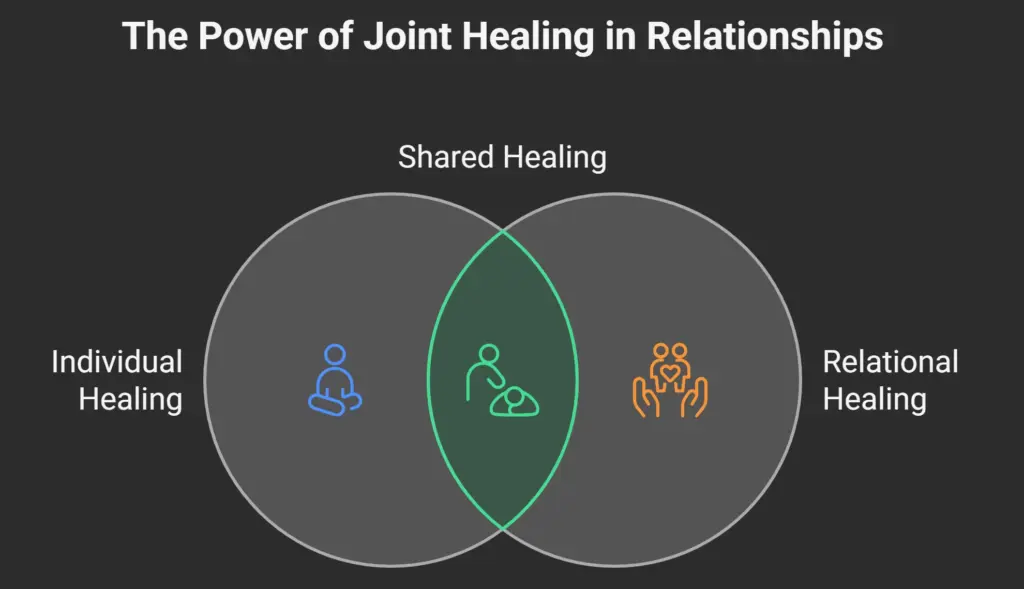
A and B have been together for five years. Recently, A experienced a traumatic event that affected their relationship. B wants to support A, but he’s unsure how. Malayali couples healing relationship trauma requires a joint effort, commitment, and understanding.
Their Journey to Healing:
1.Mutual Support
- Emotional support: Offer emotional support and validation to each other.
- Empathy: Practice empathy and understanding towards each other’s experiences.
2.Communication
- Open communication: Communicate openly and honestly about feelings, needs, and boundaries.
- Active listening: Listen actively and respond with compassion.
3.Healing Together
- Joint therapy: Consider joint online therapy in Malayalam for relationship trauma or counseling to work through trauma together.
- Support groups: Attend support groups or workshops focused on trauma and relationships.
4.Building Trust
- Consistency: Establish consistent routines and behaviors to build trust.
- Follow-through: Follow through on commitments and promises.
5.Self-Care
- Individual self-care: Prioritize individual self-care and stress management.
- Couples self-care: Engage in joint self-care activities, such as exercise or relaxation techniques.
6.Patience and Understanding
- Healing takes time: Recognize that healing from trauma takes time and patience.
- Celebrate progress: Celebrate small victories and acknowledge progress.
By working together and supporting each other, couples can heal and strengthen their relationship after trauma.
Past trauma doesn’t have to define your present relationship. OPPAM’s trauma-informed therapists can guide you and your partner toward healing and reconnection.
Consider seeking professional help to rebalance your life and relationship. Oppam’s Expert therapists can provide guidance and support.
Don’t Wait…Take action today and seek support to nurture your relationship.
Struggling?
Talk to an Oppam Therapist
Get the Support You Deserve Online & Confidential