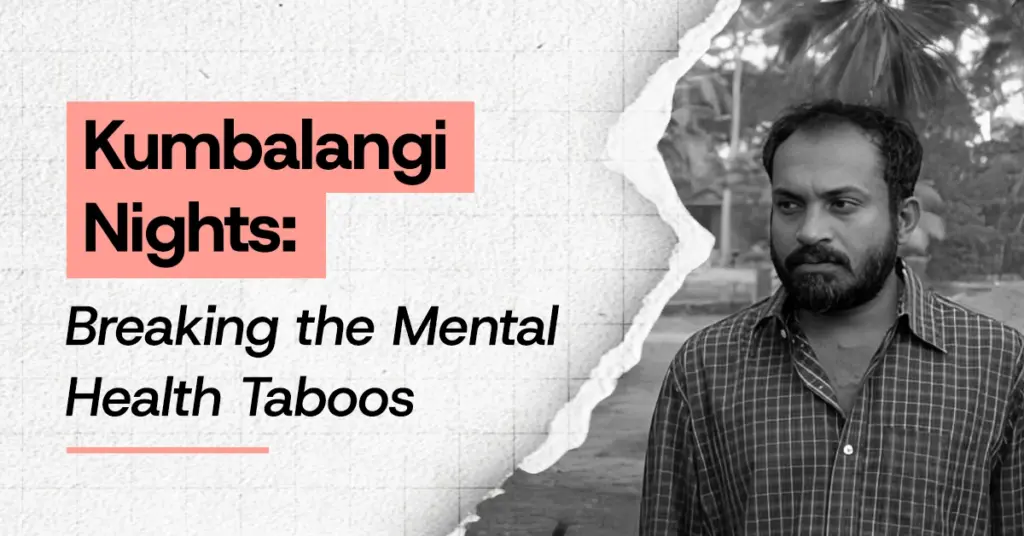
Kumbalangi Nights mental health portrayal is a turning point in Malayalam cinema. The film breaks stigma by showing counseling and therapy as essential, especially in Kerala’s cultural context. Kumbalangi Nights mental health portrayal has become a milestone in Malayalam cinema. Unlike many films that misrepresent mental illness, this movie highlights the importance of Counseling in Kumbalangi Nights and therapy in Kerala society. By showing depression, family struggles, and stigma around therapy, it starts a vital conversation about mental health awareness among Malayalis. Kumbalangi Nights is a Malayalam film released in 2019. It was a movie that sparked discussions and was loved by many, both within and outside Kerala. Each person may have their reasons for liking this film. For some, it could be the stunning cinematography, the aesthetically crafted frames, the storyline, or the performances of the characters. What makes Kumbalangi Nights stand out is its serious and nuanced portrayal of mental health.
The way mental health and mental illnesses are commonly portrayed in films often leads to significant misconceptions within society. When there are already deep-rooted prejudices about mental health in the community, unscientific depictions of disorders and the approach to professional help in films further contribute to the stigma surrounding mental health, allowing it to persist over time.
the film sparked meaningful discussions across Kerala about mental health awareness, counseling, and how movies can break the stigma of therapy in Malayali society. Beyond its stunning visuals and storytelling, the film stood out for addressing mental illness in films with depth and authenticity.

The portrayal of mental health in Kumbalangi Nights reflects a growing effort in Malayalam cinema to deal with issues like depression, family dynamics and mental health, and the taboo around Counseling in Kumbalangi Nights with honesty. In Kerala, mental health taboos still discourage many from seeking therapy, but films like this are slowly reshaping perspectives. However, due to the stigma that has persisted in society for generations, people are still hesitant to openly talk about their struggles or seek help from mental health professionals.
A survey published in the National Mental Health Survey of 2015-16 states that around 15% of Indian adults require intervention for one or more mental health issues.
- The fear of being judged by others, labeled as “weak,” or being stigmatized often deters individuals from seeking Psychologist support. This is precisely where the mental health references in Kumbalangi Nights gain significance, as they challenge these societal barriers and emphasize the importance of addressing mental health issues without judgment.
- The central characters of the film are four brothers, and alongside their character arcs, many other personalities come and go throughout the story.
- The film portrays four individuals with different perspectives on life, each wishing for their lives to turn out in unique ways. A common factor tying them together is their dysfunctional family.
- The movie sheds light on how a family ought to be and emphasizes the importance of a healthy family dynamic in shaping an individual’s life and relationships.
- It also explores how relationships within a dysfunctional family can break down. At a time when mental health and related issues are often trivialized or turned into jokes for entertainment, Kumbalangi Nights takes a sensitive and meaningful approach, highlighting the significance of addressing these topics with care and depth.
- The film clearly emphasizes the importance of open communication, mutual support, and standing together during challenges within a family.
- For someone going through a difficult time, having people to talk to and share their struggles with, as well as having those who genuinely support them, plays a crucial role in strengthening them mentally.
- However, in this case, the childhood trauma they experienced and the dysfunctional family setting and relationships they grew up in negatively impact not only their lives but also the lives of those around them.
It is in such situations that the importance of mental health professionals truly becomes evident. When people face difficulties, they are often hesitant to seek counseling or necessary therapy to overcome them. This reluctance can lead to an escalation of their struggles and even negatively impact the mental health of those around them. A major prejudice surrounding the mental health field is the misconception that it is exclusively for people with mental illnesses.
This is where Kumbalangi Nights and its references to mental health stand out. Many people go through various challenges in life, and when they face prolonged difficulties, they may lose hope, feel worthless, and be overwhelmed by thoughts like, “Nothing will ever change no matter what I do.” Such negative thoughts can spiral and take over their minds.
The psychology in Kumbalangi Nights is one of the key reasons the film continues to be discussed in Kerala and beyond. Unlike many movies that romanticize or distort mental illness, it offers a realistic portrayal of depression, trauma, and healing. This makes it a standout example of Malayalam movies’ mental health portrayal, where characters are not just comic relief but real individuals struggling with emotional pain. The therapy scene in Kumbalangi Nights, where Saji finally seeks counseling, breaks the silence around professional help and shows Malayalis that therapy is not shameful but a path to healing. By highlighting counseling as a normal and supportive step, the film encourages viewers to rethink stigma and embrace mental health care.
In moments like these, when people feel stuck and unsure of how to move forward, professional help can serve as a pathway to regain control and navigate through life’s challenges.
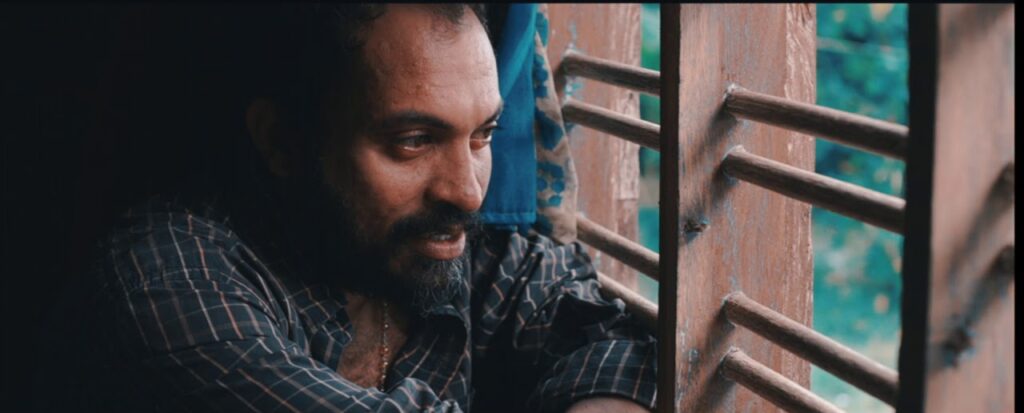
One of the most powerful moments in Kumbalangi Nights mental health narrative is when Saji says, “I can’t even cry.” This reflects the symptoms of Depression in Kumbalangi Nights and the deep stigma around expressing emotions in Malayali families. His decision to seek help challenges the stigma of Online therapy in Kerala society, showing viewers the importance of counseling for Malayalis. Saji openly admits, “I can’t even cry.” The unfortunate events in his life, combined with the persistent struggles he faces, have left him deeply miserable. It’s this overwhelming burden that leads him to realize he has reached a point where even crying feels impossible.
- Saji acknowledges that his mind is slipping out of control and admits to his brother that he needs to see a therapist. This moment breaks a significant taboo surrounding mental health.
- His self-awareness (insight) about his struggles and the courage to express this to his brother reflect the mindset society as a whole should adopt. This scene challenges the stigma and normalizes seeking help, making it a powerful and necessary message for everyone.
- In the film, there is a scene where Saji visits a psychologist. Interestingly, the film does not reveal what Saji shares with the psychologist during the session.
- The scene ends with Saji breaking down in tears and hugging the psychologist. While the specifics of what Saji says remain unknown to the audience, the emotional weight of Saji’s state is conveyed powerfully and unmistakably to those watching the film.
- Upon closely observing Saji’s character, it becomes evident that he is experiencing depression. The film subtly yet effectively portrays his struggles, making his emotional journey resonate deeply with viewers.
The 2011 World Health Organization report states that Indians are among the people worldwide who experience the highest levels of depression. According to the report, around 9% of individuals suffer from prolonged Depression in Kumbalangi Nights in their lives, while 39% experience major depressive episodes.

This highlights the critical need to strengthen awareness about mental health in society. This is where the positive portrayal of mental health and professional help becomes highly relevant.
The counseling scene in Kumbalangi Nights is groundbreaking because it normalizes therapy in a Malayalam movie. Saji meeting the psychologist highlights the value of counseling for depression, ventilation therapy, and how seeking help can transform lives. This was one of the first times Malayali cinema depicted a therapy session without exaggeration, making it relatable and real. Many clients may not immediately open up about their struggles during the initial session, as trust needs time to develop.
- However, in Kumbalangi Nights, we see Saji openly share his problems with the psychologist during his first session. This highlights the individuality of each person and the uniqueness of every counseling session.
- If a client is ready to open up, the psychologist’s role is to listen attentively and provide appropriate guidance, which is precisely what transpires in this scene.
- The director uses subtle storytelling to convey this interaction. After the session, there’s a scene where Saji walks home with his arm around his brother, smiling. This moment signifies that he has been able to unburden himself to some extent and has found relief from the weight he was carrying.
- The hope visible in his eyes is the outcome of the Counseling in Kumbalangi Nights session.
- Additionally, when analyzing the film deeply, it’s clear that the confidentiality of counseling sessions is intentionally respected. This might be why the specifics of Saji’s conversation with the psychologist are not detailed in the film.

Writer Syam Pushkaran reportedly mentioned that Saji’s character was inspired by someone from his hometown who exhibited suicidal tendencies. If that’s the case, it underscores the sensitivity with which such an important and delicate topic was handled in the movie. This attention to detail and depth is what sets Kumbalangi Nights apart and makes it a powerful exploration of mental health.
As the film progresses, the characters in Kumbalangi Nights show positive growth and improvement. The movie approaches various aspects of mental health seriously and honestly, which is its key strength. It seems that Kumbalangi Nights successfully conveys to society just how important mental health truly is.
When mental health awareness in Kerala becomes a priority, stigma can finally be reduced. Films like Kumbalangi Nights mental health depiction play a major role in educating society about the importance of Counseling in Kumbalangi Nights, breaking taboos in Malayali households, and showing that therapy is not weakness but strength. If you are struggling, remember — mental health counseling in Kerala is available, and seeking help is the first step to healing. Remember, mental health is always important. Be open to discussing your problems and seeking the necessary professional help when needed.
If you are someone facing any kind of mental health challenges, consider scheduling a counseling session immediately!
Struggling?
Talk to an Oppam Therapist
Get the Support You Deserve Online & Confidential