
Anxiety Counseling Online in Malayalam
Get rid of anxiety issues through safe and supportive online Malayalam counseling. Our certified counselors help you feel calm, confident, and in control of your life.
people treated
0
+
satisfaction
0
%
confidential sessions
0
%
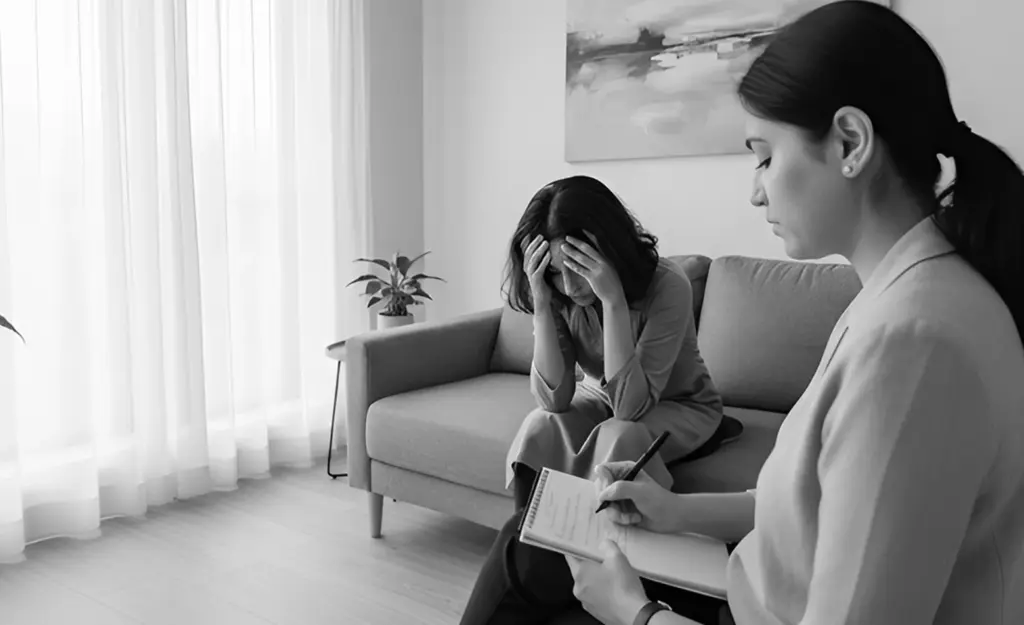
Signs and Symptoms of Anxiety Disorder
You feel nervous or restless most of the time.
You worry too much about daily things.
You find it hard to control your thoughts.
You feel your heart beating very fast.
You breathe quickly or feel short of breath.
You sweat more than usual.
You feel weak, tired, or drained.
You have trouble sleeping at night.
You feel tense in your muscles.
You find it hard to focus or concentrate.
You avoid places or situations that make you anxious.
You feel sudden fear or panic without clear reason.
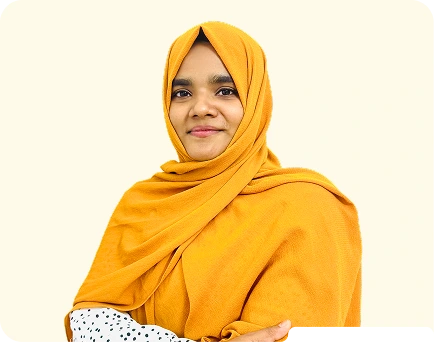
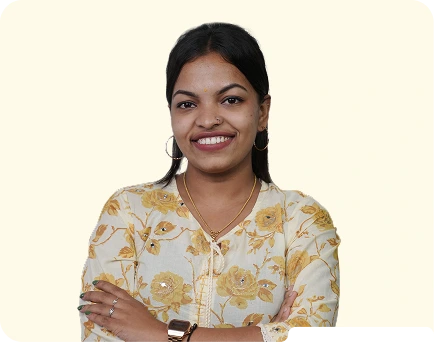
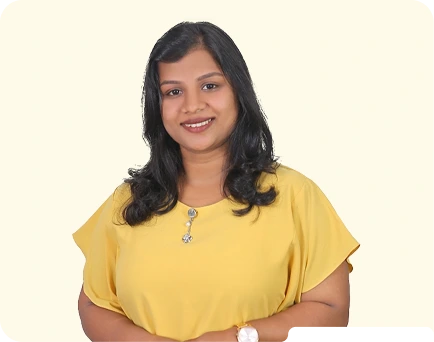
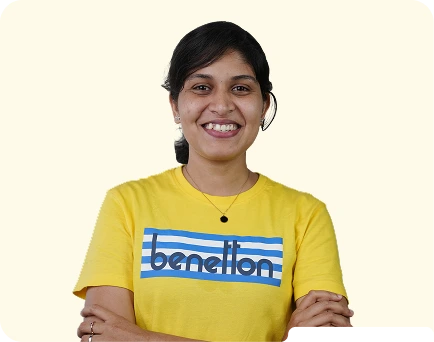
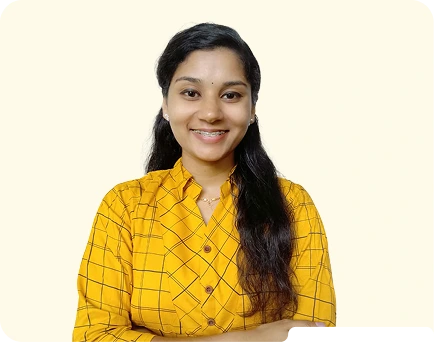
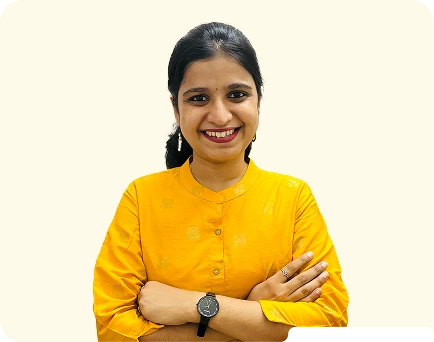
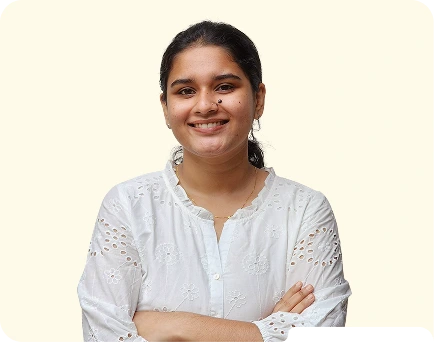
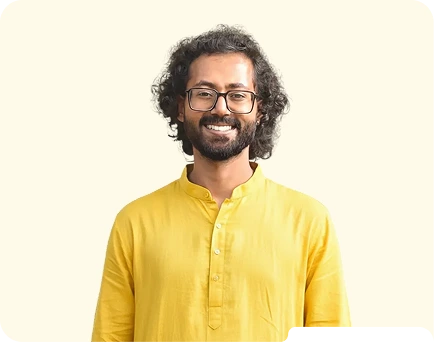
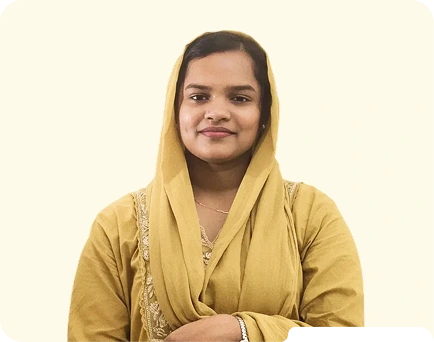
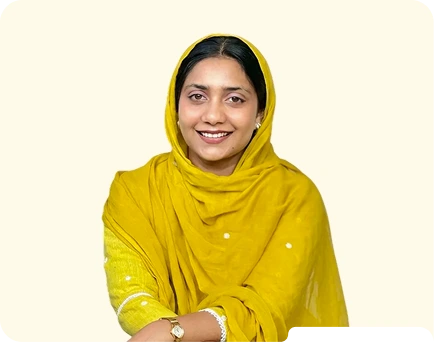
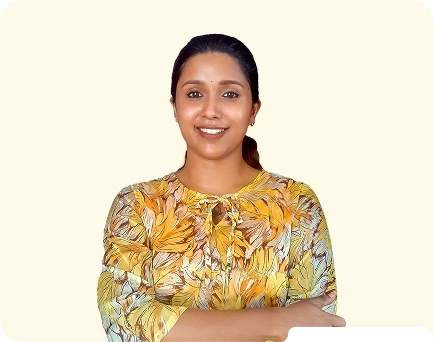
Meet Our Certified Therapists for Anxiety Online Counselling





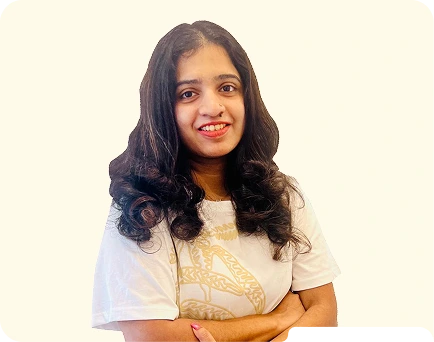

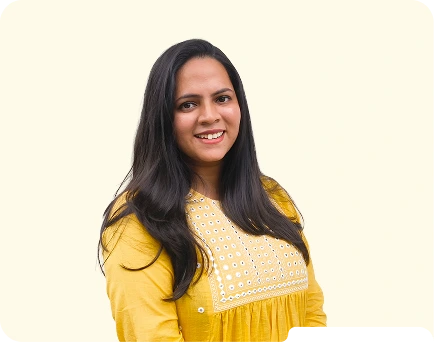
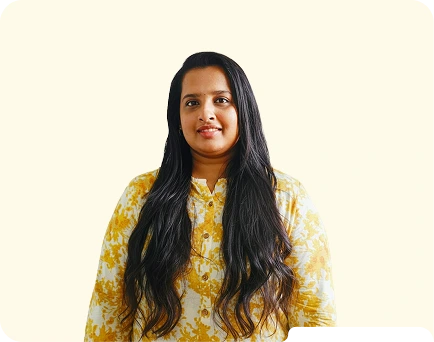
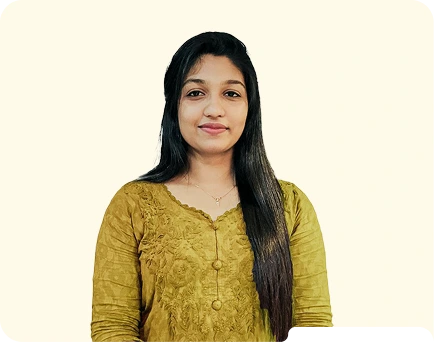
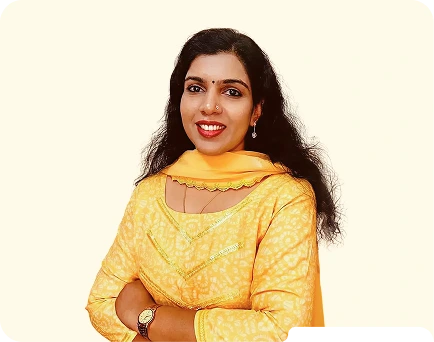
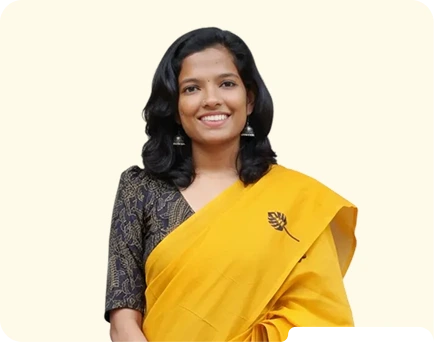
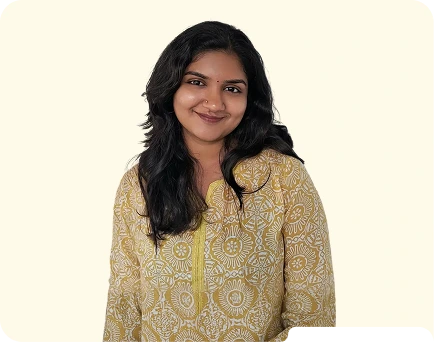
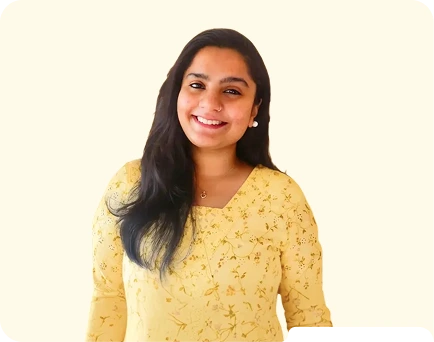
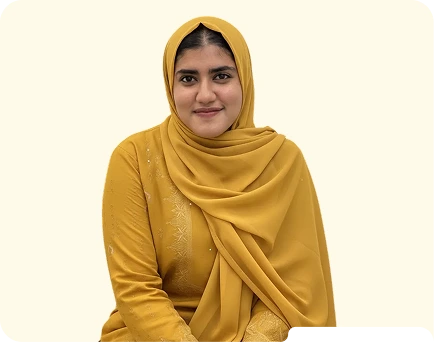
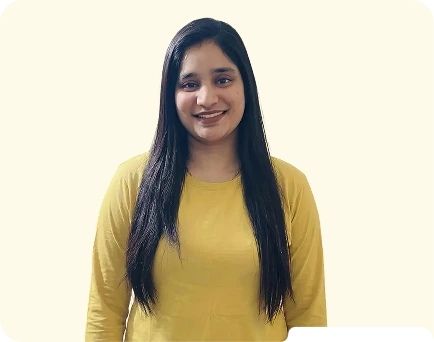

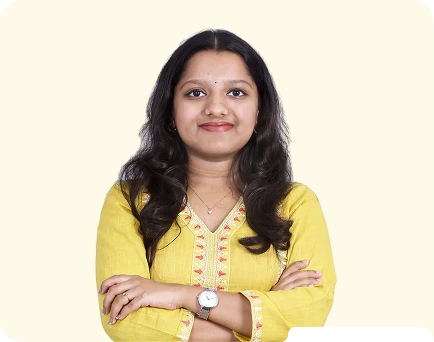

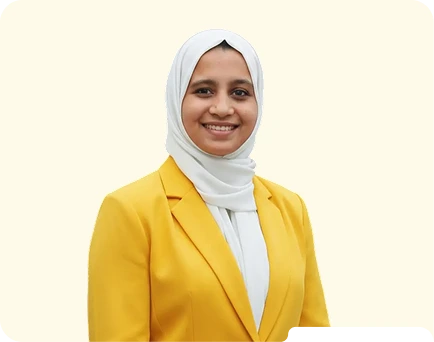

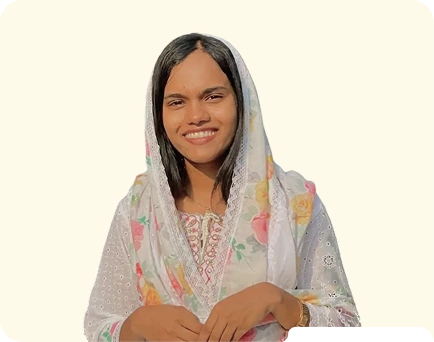
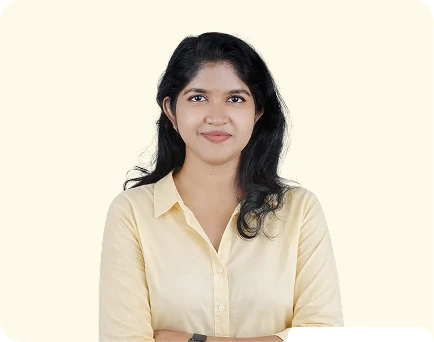
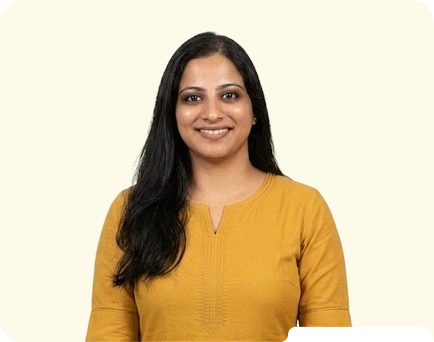
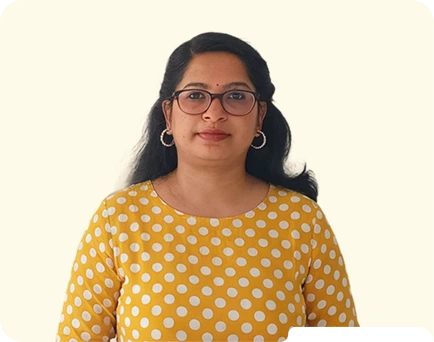
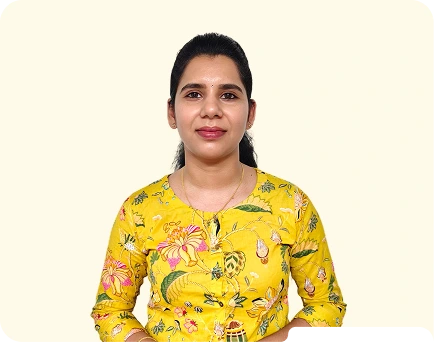
Why a Malayali Counselor for Anxiety Issues ?
- They speak Malayalam, so you can express your feelings easily.
- They understand Malayali culture and traditions.
- They relate to the challenges of living far from home.
- They respect your values and family background.
- They guide you in ways that feel familiar and comfortable.
- They make online counseling feel personal, safe, and supportive.
How to Book Online Anxiety Support in Malayalam

- Book Your Slot – Select a date and time that fits your schedule.
- 1:1 Private Session-Complete the payment online to secure your session.
- Receive your session link - Get a secure invitation link right after payment.
- Join your session - Talk openly with your counsellor.
- Get expert guidance – Receive practical advice and professional support.
- Continue follow-up sessions – Track your progress and stay supported over time.
See How Anxiety Counseling Helps You
Anxiety online counseling by Oppam helped me understand my triggers. I now have simple steps to calm myself during tough moments. It has changed how I face daily stress.
Client
I feel more confident and less restless after the sessions with Merin ma’am, the best therapist for anxiety issues.
Client
I was struggling with constant worry and racing thoughts. Talking to a online counselor at Oppam gave me clarity. I learned to manage my stress without feeling overwhelmed.
Client
I learned how to breathe, pause, and stay in control. Thank you Oppam psychologist Krishna ma’am.
Client
Anxiety used to hold me back in work and relationships. With Online counseling by Oppam, I feel stronger, more balanced, and ready to move forward in life.
Client
Any Questions?

What is performance anxiety?
Performance anxiety happens when you feel very nervous before or during situations where others watch or judge you, like public speaking, sports, or stage shows
Why do I get so nervous before performing?
You feel anxious because your brain sees the situation as a threat. You worry about mistakes, judgment, or failure, which makes your body react with fast heartbeat, sweating, or shaky hands.
How can I reduce performance anxiety?
You can prepare well, practice relaxation breathing, and focus on the task instead of what people think. Remind yourself that it’s okay not to be perfect.
What is social media anxiety?
Social media anxiety happens when you feel stressed, worried, or insecure while using apps like Instagram, TikTok, or Facebook.
What is psychotherapy for anxiety disorder?
Psychotherapy for anxiety disorder means talking with a trained counselor or psychologist to understand and manage your worries. In therapy, you learn how your thoughts, feelings, and actions connect. The counselor teaches you coping skills, relaxation methods, and new ways to handle stressful situations. One of the most effective forms is Cognitive Behavioral Therapy (CBT), which helps you challenge negative thoughts and reduce anxiety step by step. With regular sessions, psychotherapy gives you long-term tools to feel calmer and more in control.
Is exam anxiety a part of anxiety?
Yes, exam anxiety is a type of anxiety. It makes you panic or lose focus even if you study well. Your body reacts to stress with a fast heartbeat, sweaty hands, or racing thoughts. At Oppam, we offer exam anxiety treatment through counseling and simple techniques. Our counselors help you plan better, control stress, and feel more confident during exams.
Whom should I consult for anxiety?
You can consult a counselor, psychologist, or psychiatrist. A counselor or psychologist helps you with talk therapy and coping skills. If your anxiety feels very severe, a psychiatrist can also give medicines along with therapy. Starting with a counselor is often the best first step. We have certified counselors for anxiety treatment, and no matter where you are, we also offer online anxiety counseling in Malayalam.
Is overthinking a part of anxiety?
Yes, overthinking is often a part of anxiety. When you overthink, your mind keeps going in circles and creates more worry. You can control it by practicing deep breathing, focusing on the present moment, and limiting “what if” thoughts. Writing down your worries, setting a time to think about them, and then moving on also helps. With practice, you can reduce overthinking and feel calmer.
Are gastrics and anxiety related?
Yes, anxiety and gastric problems are closely related. When you feel anxious, your body releases stress hormones that affect your stomach and digestion. This can cause gas, bloating, stomach pain, or even indigestion. In the same way, ongoing gastric issues can increase stress and make anxiety worse. You can reduce these problems by managing anxiety with relaxation techniques, eating slowly, and avoiding foods that trigger gas. Counseling also helps you break the cycle between stress and stomach issues.
Meet Our Certified Therapists for Anxiety Problems
Causes of Anxiety
Anxiety does not come from a single source. It usually develops through a mix of biological, psychological, and environmental factors. Understanding these causes can help people recognize why anxiety happens and how to manage it better.
1.Biological Factors
Research shows that anxiety can run in families. Genetics may make some people more sensitive to stress or more likely to develop anxiety disorders. Brain chemistry also plays a role. When certain chemicals in the brain, such as serotonin and dopamine, are out of balance, it can affect mood regulation and increase feelings of worry and fear.
2.Personality Traits
People who are naturally more sensitive, perfectionistic, or self-critical may be more prone to anxiety. They often process situations with more caution and worry, which can lead to heightened stress responses.
3.Trauma and Life Experiences
Difficult experiences such as abuse, neglect, bullying, or major loss can increase the risk of anxiety. Even ongoing stressors, like financial problems or workplace pressure, can build up over time and trigger anxiety symptoms. Childhood trauma, in particular, can shape how a person reacts to stress later in life.
4.Health Conditions
Some medical conditions, such as thyroid problems, heart disease, or chronic illnesses, can contribute to anxiety. Certain medications or substance use (like caffeine, alcohol, or drugs) may also increase anxious feelings or trigger panic attacks.
5.Environmental Stressors
Living in a stressful environment—whether it’s due to family conflict, job insecurity, or academic pressure—can make a person more vulnerable to anxiety. Uncertainty about the future or sudden major changes, such as moving, losing a job, or relationship breakups, can also play a big role.
6.Learned Behavior
Sometimes, anxiety is learned. For example, children who grow up around anxious parents may adopt similar patterns of worry. They may also develop anxiety if they repeatedly avoid situations that feel uncomfortable, reinforcing fear instead of overcoming it.
Types of Anxiety
1.Generalized Anxiety Disorder (GAD)
You feel worried most of the time, even about normal daily things. Small issues can feel very big, and your mind keeps running with “what if” thoughts.
2.Social Anxiety
You feel very nervous in social situations. You may fear being judged, embarrassed, or rejected, so meeting new people or speaking in public feels overwhelming.
3. Separation Anxiety Disorder
You feel very anxious when you are away from someone close to you, like a parent, partner, or child. You may worry that something bad will happen if you are not with them.
4. Panic Disorder
You experience sudden panic attacks—intense waves of fear with physical symptoms like a fast heartbeat, sweating, or shortness of breath. These attacks can happen anytime and feel very frightening.
5. Phobias
You feel extreme fear of specific things, such as heights, spiders, or flying. Even if the situation is safe, your fear feels real and can make you avoid those things completely.
Treatment for Anxiety
1.Therapy &Counseling
You talk with a trained counselor or psychologist. They help you understand your thoughts and feelings and teach you healthy ways to cope with anxiety.
2.Cognitive Behavioral Therapy (CBT)
You learn to notice negative thoughts and replace them with more balanced ones. This therapy also helps you face fears step by step instead of avoiding them.
3.Medication
Doctors may prescribe medicines that reduce anxiety symptoms. These can help balance brain chemicals and make you feel calmer.
4.Lifestyle Changes
You can lower anxiety by exercising regularly, eating healthy, and sleeping well. Avoiding too much caffeine or alcohol also makes a big difference.
5.Relaxation Techniques
You practice breathing exercises, meditation, or mindfulness. These methods calm your body and help your mind stay in the present moment.
6.Support System
You spend time with supportive friends and family. Sharing your feelings and knowing you are not alone reduces stress.

